
Asian Games 2026 Swimming Preview: Qin Haiyang and Pan Zhanle Lead China's Charge Against a Resurgent Host Japan
The Tokyo Aquatics Centre braces for a monumental showdown as China's established world champions face a hungry Japanese squad aiming to reclaim regional dominance on home soil.

Share this story
The water is about to boil in Tokyo. When the 2026 Asian Games swimming program kicks off on September 20 at the Tokyo Aquatics Centre, it will not just be a battle for continental supremacy—it will be a full-blown turf war.
Over six days, 41 gold medals will be contested in the very pool built for the 2020 Olympics. For the athletes, this is the ultimate regional proving ground ahead of the LA28 Olympic cycle. For the host nation, it is a desperate bid to defend their home water against a historic rival.[1][2]
China arrives in Japan with a staggering 40-swimmer roster, looking to replicate their demolition job from the previous Asian Games in Hangzhou. In that pandemic-delayed 2023 edition, the Chinese squad amassed 58 total swimming medals, including a remarkable 28 golds, completely overwhelming the rest of the continent. Their 2026 lineup is a terrifying mix of established Olympic medalists and emerging teenage prodigies, signaling that the federation has no intention of relinquishing its grip on the top of the medal table.
Standing in their way is a resurgent Japanese squad fueled by national pride and home-crowd adrenaline. Selected through a fiercely competitive 101st Japan Swim earlier this year, the host nation's roster is stacked with veterans and rising stars who have specifically targeted this September showdown. The Tokyo Aquatics Centre, with its 5,000-seat capacity, will provide a deafening backdrop as Japan attempts to reclaim the regional crown they lost to China in recent cycles.
The undisputed marquee matchup of the meet lies in the men's breaststroke, where the tension is already palpable. China’s Qin Haiyang, the 2023 Asian Games MVP and reigning 2025 World Champion, has been the apex predator of the discipline. He swept the 50m, 100m, and 200m events in Hangzhou and remains the man to beat whenever he steps onto the blocks. His explosive front-end speed has made him a nightmare for competitors globally.
But the gap is closing rapidly. A new wave of challengers has positioned themselves to threaten Qin's supremacy, led by Japan’s rising star Shin Ohashi. Ohashi has rocketed up the global rankings this season, recently clocking a blistering 58.54 in the 100m breaststroke to put the Chinese champion on notice. Add former world record holder Ippei Watanabe to the 200m mix, and Qin is staring down a highly motivated, two-pronged Japanese attack.
The tactical breakdown of the 200m breaststroke final promises pure cinematic theater. Qin prefers to take the race out hard, breaking his opponents by the 100-meter turn. However, the 200m distance will severely test his endurance against the legendary closing speed of Watanabe and the youthful late-race surge of Ohashi. If the Japanese duo can stay within striking distance off the final wall, the roar of the Tokyo crowd could provide the exact slipstream needed to run Qin down.
Beyond the breaststroke, the men's freestyle sprints offer another heavyweight clash. China’s Pan Zhanle, the Olympic medalist and freestyle phenom who collected four individual medals in Hangzhou, will lock horns with Japan’s veteran Katsuhiro Matsumoto. While Pan is the heavy favorite in the 100m, the 200m freestyle is a tactical minefield. South Korea’s elite freestylers will also be in the mix, ensuring that every spot on the podium requires a world-class time.
On the women's side, the emotional epicenter of the meet will undoubtedly be Rikako Ikee. The Japanese icon returns to major international competition on home soil, carrying the immense hopes of a nation. She will face a formidable Chinese wall led by Olympic medalists Zhang Yufei and Li Bingjie.
Zhang remains the absolute gold standard in the butterfly events, while Li is practically untouchable in the distance freestyle races, having dominated the 400m, 800m, and 1500m in 2023. Hong Kong's Siobhan Haughey will also feature prominently, adding serious elite depth to the freestyle brackets.[1]
The depth of the Asian swimming field extends far beyond the Sino-Japanese rivalry. Nations across the continent are bringing highly targeted squads to Tokyo. Indonesian Aquatics, for example, has dispatched a 14-swimmer team led by Farrel Armandio Tangkas and I Gede Siman Sudartawa. Their explicit goal is to snap a 36-year Asian Games medal drought that dates back to the 1990 Beijing Games, proving that the stakes run deep through every heat and final.[2]
When projecting the final outcomes, the math heavily favors China to comfortably top the overall medal table once again, anchored by Pan Zhanle's freestyle dominance and Zhang Yufei's butterfly sweeps. However, the marquee men's breaststroke battles are projected to split. Qin Haiyang should retain his 100m crown through pure explosive power.
But in the grueling 200m final, the combination of home-crowd adrenaline and tactical pacing points to a monumental upset: expect Japan's Shin Ohashi to out-touch the Chinese superstar at the wall, delivering the host nation its most cathartic victory of the Games.
- Chinese Federation
- Views the Asian Games as a crucial stepping stone to maintain their dominant regional grip and build momentum for the LA28 Olympics.
- Japanese Host Nation
- Sees the Tokyo-based events as a matter of immense national pride and a prime opportunity to upset their rivals on home water.
- Emerging Asian Nations
- Focuses on breaking historic medal droughts and proving their elite programs can compete with the continent's heavyweights.
Sources
Source coverage
2 outlets
3 viewpoints surfaced


- [1]Olympics.comJapanese Host Nation
Asian Games 2026 swimming schedule: When Ikee Rikako and Siobhan Haughey could race
Read on Olympics.com → - [2]TempoEmerging Asian Nations
Indonesian Aquatics Announces 14-Swimmer Squad for 2026 Asian Games
Read on Tempo →
More in Sports
See all →Power ranking
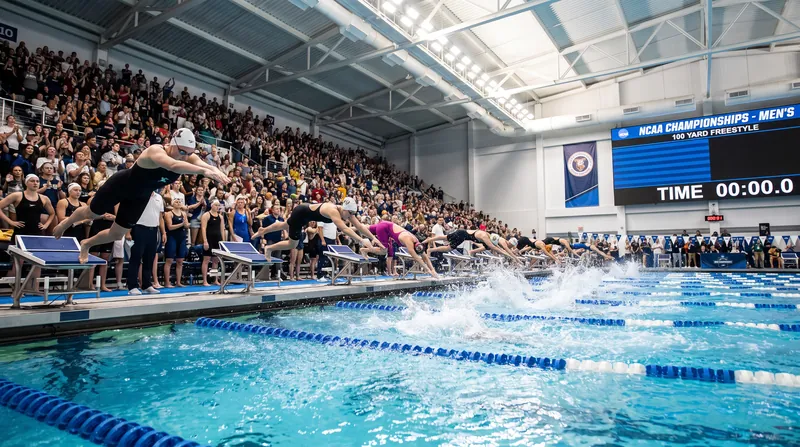
Global Men's 200 Freestyle Power Rankings: Zhang Zhanshuo Resets the Board With Historic 1:43.49
2 sources
Storyline
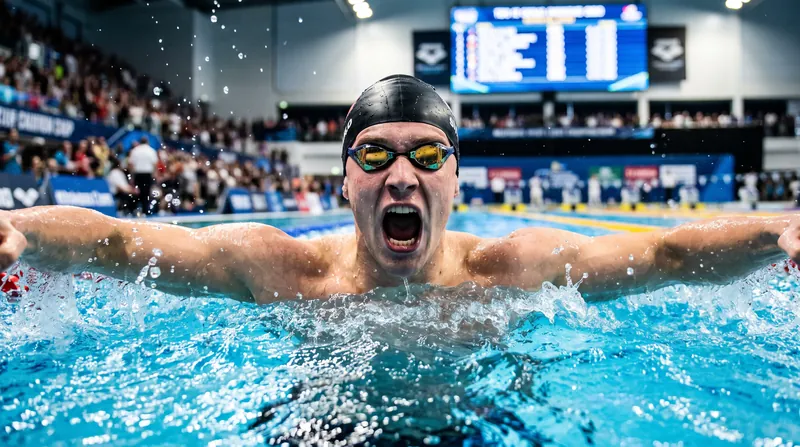
British Relay Team Smashes English Channel Record, Falls Three Minutes Short of 1990 World Mark
2 sources
Fluid Dynamics
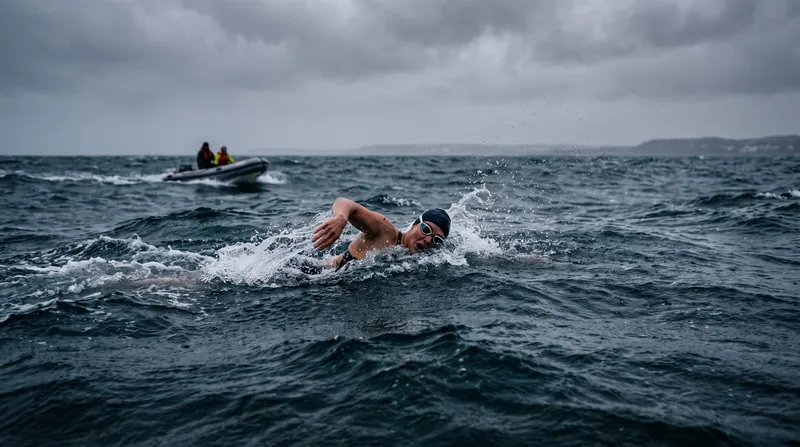
The 3-8mm Spacing: How Invisible Water Vortices Maximize Hand Propulsion in Swimming
7 sources
Swimming Milestones
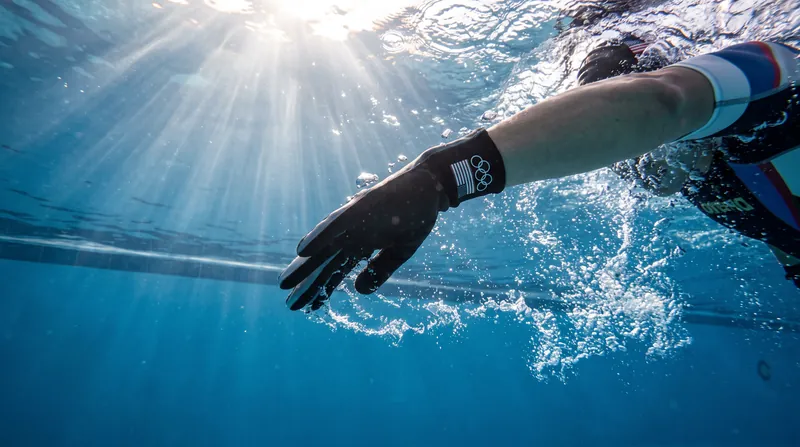
Japanese Teen Shin Ohashi Shatters 200m Breaststroke World Record, Becoming First Man Under 2:05
4 sources
Comments
Every angle. Every day.
Get Sports stories with full source coverage and perspective breakdowns, free every day.