
The Mid-Summer Motorsport Injury Report: Drivers Battle the Pain Barrier
As the global racing calendar hits its grueling summer stretch, top contenders across MotoGP, NASCAR, and IndyCar are navigating severe injuries to keep their championship hopes alive.
By Xia Wu

Share this story
The 2026 motorsport season has reached its grueling mid-summer stretch, and the physical toll is mounting across the world's premier racing series. From the high-speed highsides of the MotoGP world championship to the punishing street circuits of the NTT IndyCar Series, the sport's top stars are currently testing the absolute limits of human endurance.
Rather than stepping away to heal, several championship contenders are demonstrating remarkable resilience, battling through fractured bones and recent surgeries to keep their title hopes alive. The current global injury report is less a catalog of medical setbacks and more a testament to the extraordinary grit required to lift a modern racing crown.
The most recent major setback occurred in the MotoGP paddock, where title contender Marco Bezzecchi suffered a violent highside during the Q2 qualifying session at the Sachsenring. The Italian rider was thrown from his Aprilia at Turn 7, tumbling heavily through the gravel trap.
While he initially walked away from the crash site, subsequent X-rays at the circuit's medical center revealed a complete and displaced fracture of his left collarbone. The severe injury immediately ruled him out of the remainder of the German Grand Prix, dealing a significant blow to his championship campaign just as he was finding his rhythm.[1]
Aprilia Racing wasted no time in mobilizing their medical resources, flying Bezzecchi back to Italy for immediate surgical intervention. Dr. Giuseppe Porcellini successfully reduced and stabilized the fracture at the University Hospital of Sassuolo, inserting hardware to ensure optimal healing.
While the missed race in Germany cost Bezzecchi crucial ground—he trailed series leader Jorge Martin by just 11 points prior to the weekend—the timing of the injury offers a distinct silver lining. The MotoGP calendar has just entered its extended summer break, providing the Romagna native with a critical window to rehabilitate without missing further rounds.
Aprilia management remains highly optimistic that the extended layoff will allow Bezzecchi to recover his fitness in time for the British Grand Prix at Silverstone in early August. Beyond the physical healing of the collarbone, team executives have emphasized the importance of the summer break for Bezzecchi's mental reset. Enduring a high-speed crash and the subsequent surgical trauma requires a psychological recovery just as rigorous as the physical one, and the team is focused on ensuring their star rider returns to the grid with his confidence fully intact.
Across the Atlantic, NASCAR Cup Series standout Christopher Bell is proving equally tenacious in the face of a painful skeletal injury. Following a heavy impact at Michigan International Speedway in early June, Bell suffered a fractured left wrist. In many traditional sports, such a break would mandate weeks on the sidelines, but Bell has refused to step out of the No. 20 Joe Gibbs Racing Toyota. Instead, he and his medical team have adapted his treatment to allow him to continue wrestling a 3,400-pound stock car around America's fastest ovals.
Ahead of the recent race at Chicagoland Speedway, Bell reached a minor medical milestone by transitioning from a rigid cast to a more flexible splint. While he admits his steering inputs still feel somewhat "clunky" and lack their usual pinpoint precision, he reports that his overall pain levels have remained manageable. His sheer determination was on full display at Sonoma Raceway, where he muscled his way to a gritty fifth-place finish on a demanding road course, securing 50 crucial championship points that kept him firmly in the playoff hunt.
In the NTT IndyCar Series, the physical demands of racing through injury are uniquely punishing due to the cars' lack of power steering and the extreme G-forces generated through the corners. Two-time series champion Josef Newgarden has been a fixture on the injury report since May, navigating the paddock on crutches and wearing a heavy walking boot. Newgarden sustained a significant left foot injury during a crash at the Indianapolis 500, yet he has continued to strap into the No. 2 Team Penske Chevrolet week after week.[2]
Newgarden's injury is particularly challenging because it affects his braking foot. IndyCar drivers must apply immense, brute-force pressure to the brake pedal every time they decelerate from 200 mph into heavy braking zones. Furthermore, the violent bottoming out of the chassis over the bumps and seams of street circuits like Detroit sends agonizing shockwaves directly through the floorboard into his injured foot. Despite the immense discomfort, Newgarden has continued to log highly competitive laps, refusing to cede ground in the championship standings.
To ensure absolute safety and operational continuity, Team Penske has taken the precaution of keeping veteran sports car champion and former Formula 1 driver Felipe Nasr on standby. Dressed in a full fire suit and ready to step in at a moment's notice, Nasr has shadowed Newgarden's pit box during recent race weekends. However, Newgarden's sheer willpower has kept the Brazilian reserve driver on the sidelines, serving as a living testament to the grueling, uncompromising demands of top-tier open-wheel racing.[2]
Fellow IndyCar veteran Alexander Rossi has faced a mirrored challenge on the opposite side of the cockpit. Rossi underwent outpatient surgery to repair a right ankle injury—his throttle foot—which he also sustained during the month of May at Indianapolis. While braking requires brute force, modulating a 750-horsepower engine on a slick, bumpy track requires extraordinary finesse. Attempting to carefully roll onto the throttle with a surgically repaired ankle demands an incredible level of focus and pain tolerance, yet Rossi returned to the track just days after his procedure.
The ability of these elite drivers to compete at breathtaking speeds while actively nursing broken bones highlights the remarkable, unsung advancements in motorsport medical care. From the immediate trackside interventions by MotoGP Medical Director Dr. Angel Charte to the specialized, custom-molded splints developed for NASCAR competitors, the medical infrastructure surrounding global racing has never been more sophisticated. These dedicated medical teams work tirelessly in the shadows, balancing the athletes' fierce competitive drive with strict safety protocols.
From the immediate trackside interventions by MotoGP Medical Director Dr.
As the 2026 season marches toward its autumn climax, the championships in MotoGP, NASCAR, and IndyCar may well be decided by which contenders heal the fastest. The current wave of injuries has added a profound layer of human drama to the engineering marvels on the track. For fans watching around the world, this mid-summer injury report is a powerful reminder that beneath the carbon fiber and sponsor logos, motorsport remains a deeply physical, gladiatorial pursuit where resilience is just as vital as raw speed.
Key points
- MotoGP title contender Marco Bezzecchi suffered a complete collarbone fracture at the Sachsenring and underwent immediate surgery.
- Aprilia hopes Bezzecchi will recover during the summer break and return for the British Grand Prix at Silverstone.
- NASCAR's Christopher Bell is racing through a fractured left wrist, recently upgrading from a cast to a splint.
- IndyCar's Josef Newgarden continues to race with a severe left foot injury, enduring immense pain during heavy braking.
- Team Penske has kept reserve driver Felipe Nasr on standby, but Newgarden has refused to step out of the car.
- The ability of these drivers to compete highlights major advancements in trackside medical care and surgical rehabilitation.
How we got here
May 2026
Josef Newgarden and Alexander Rossi suffer separate foot and ankle injuries during crashes at the Indianapolis 500.
June 7, 2026
Christopher Bell fractures his left wrist in a high-speed crash at Michigan International Speedway.
July 4, 2026
Bell transitions from a heavy cast to a splint, allowing him to continue competing in the NASCAR Cup Series.
July 11, 2026
Marco Bezzecchi suffers a complete collarbone fracture during a qualifying crash at the MotoGP German Grand Prix.
- The Drivers
- Focuses on the physical reality of racing through pain, managing compromised mobility, and the sheer willpower required to maintain championship form.
- Medical & Safety Teams
- Emphasizes the rapid surgical interventions, advanced rehabilitation protocols, and the strict safety assessments required to clear injured competitors for 200-mph racing.
- Team Management
- Prioritizes balancing long-term driver health with immediate championship goals, often preparing standby drivers while supporting their primary stars' recovery.
Perspectives this story doesn't cover
- Reserve Drivers
- Physical Therapists
Sources
Source coverage
2 outlets
3 viewpoints surfaced


- [1]MotoGP.comMedical & Safety Teams
Bezzecchi to miss German GP after collarbone break
Read on MotoGP.com → - [2]RACERTeam Management
Nasr on standby for Team Penske as Newgarden continues to recover from foot injury
Read on RACER →
More in Sports
See all →MotoGP 2027 Regulations
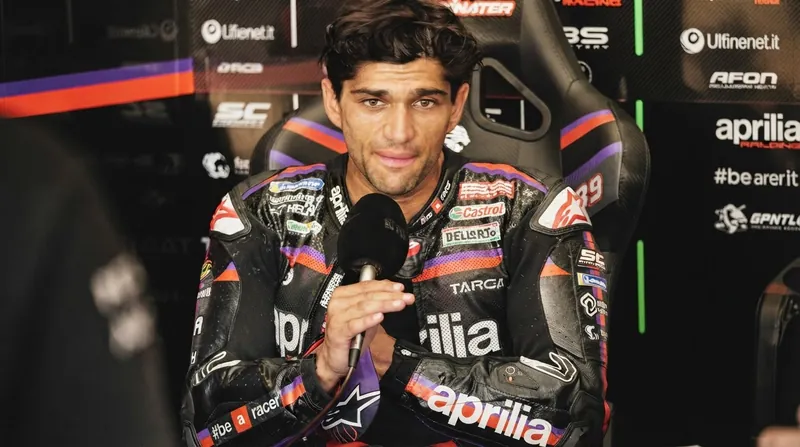
MotoGP Overhauls Weekend Format for 2027 With Dedicated Sprint Qualifying and Separate Grids
7 sources
Power ranking
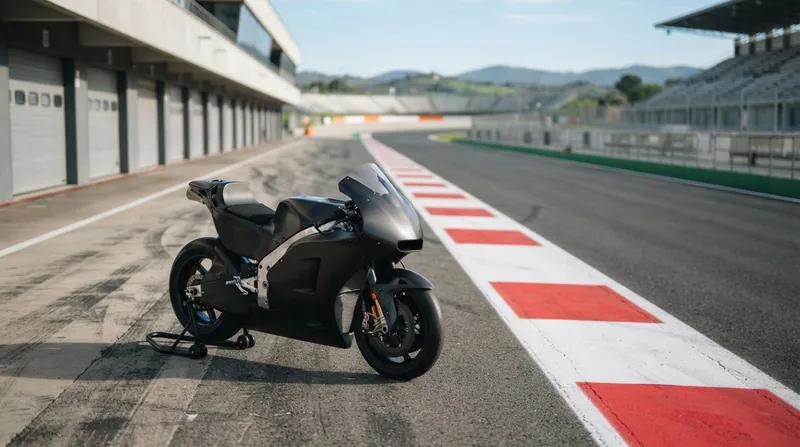
F1 Power Rankings: Russell Surges in Baku as Antonelli Plays the Long Game
7 sources
Injury
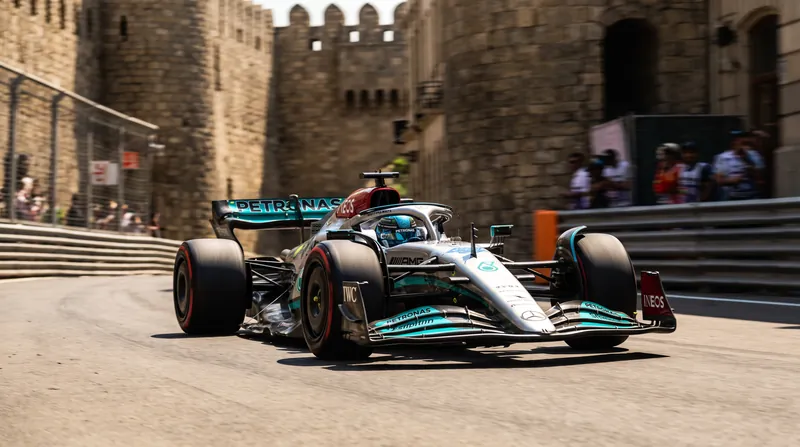
Isack Hadjar Returns From Wrist Injury to Secure Podium at Azerbaijan Grand Prix
6 sources
Preview
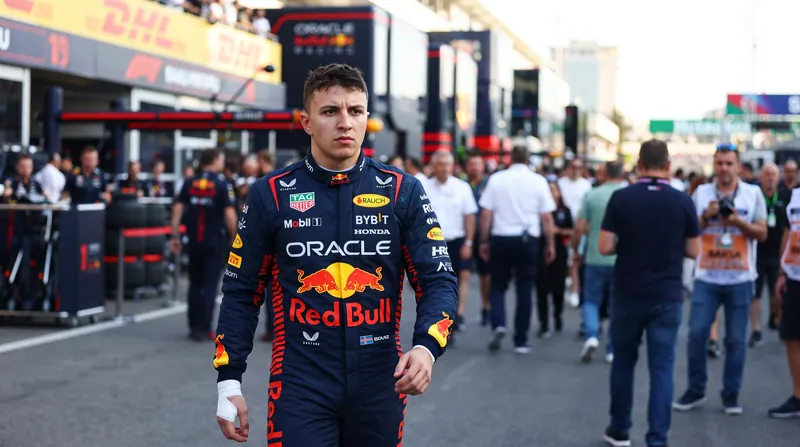
F1 2026 Azerbaijan Grand Prix Preview: Antonelli's Title Charge Meets Baku's Concrete Walls
8 sources
Comments
Every angle. Every day.
Get Sports stories with full source coverage and perspective breakdowns, free every day.