
Global Equestrian Injury Report: De Liedekerke-Meier Defies Collarbone Break as Millar Completes TBI Comeback
Belgian Olympian Lara de Liedekerke-Meier is delaying surgery to keep her World Championship hopes alive, while show jumper Jonathon Millar returns to the ring following a life-threatening brain injury.
Share this story
Equestrian sports demand a unique partnership between human and animal, but that connection comes with inherent physical risks. As the summer 2026 season reshapes global leaderboards, the latest injury reports highlight both the extraordinary resilience of elite riders and a growing cultural shift toward prioritizing long-term health. From delayed surgeries to miraculous neurological recoveries, the current landscape is defined by athletes navigating the delicate balance between competitive drive and physical preservation.[5]
Belgian eventing Olympian Lara de Liedekerke-Meier currently embodies that relentless competitive drive. During a Nations Cup class at Marbach in May 2026, a miscommunication at a drop fence resulted in a fall that left her with a broken left collarbone. She was riding La La Land D'Arville, a nine-year-old home-bred mare who escaped the incident uninjured. Despite the fracture, de Liedekerke-Meier has opted against immediate surgery, choosing instead to ride with a specialized brace to keep her World Championship aspirations alive.[1]
The decision to delay surgical intervention is a calculated risk, driven by the tight qualification timeline for the upcoming championships. Working closely with the physiotherapist for the Belgian national rugby team, de Liedekerke-Meier has maintained her riding schedule, recently finishing third in a four-star short event at Kronenberg. Dismissing the discomfort, the Olympian noted that after giving birth, "pain is only in your head," underscoring the profound mental toughness required to compete at the highest echelons of eventing.[1]
While de Liedekerke-Meier pushes through orthopedic pain, Canadian show jumper Jonathon Millar has completed a comeback from a far more perilous neurological trauma. Millar recently returned to the show ring, jumping 1.15-meter classes aboard his mare Lollipop, marking a triumphant milestone 17 months after a horrific fall left him with a skull fracture and a severe traumatic brain injury.
Millar's recovery required him to rebuild his body and mind from a comatose state, a grueling process that fundamentally shifted his identity. He described the rehabilitation itself as becoming his new identity during the darkest months of his recovery. Returning to the saddle, he noted, was the "easy part"—the true challenge was regaining the spatial awareness, balance, and cognitive processing required to navigate a complex show jumping course. His successful return has been celebrated across the global equestrian community as a testament to human endurance.
However, the sport is also witnessing a vital shift where top riders are increasingly willing to step back when their bodies—or their horses—are compromised. USA's McLain Ward, a former World Cup champion, made headlines in April when he withdrew from the 2026 Longines FEI Jumping World Cup Final in Fort Worth, Texas.[3][4]
Ward cited a minor injury sustained in a recent fall as the reason for his withdrawal. Rather than pushing through the discomfort and risking further injury to himself or his mount, Jordan Molga M, Ward opted to prioritize health and safety. This decision allowed rising talent Lillie Keenan to step into his spot, but more importantly, it signaled to the broader equestrian community that sitting out is a valid, professional choice even on the sport's biggest stages.[3][5]
The focus on recovery extends equally to the equine athletes. In the dressage arena, the United States' second-ranked Grand Prix horse, Jane, was sidelined this spring following a paddock injury. Ridden by Marcus Orlob and owned by Alice Tarjan, the 12-year-old mare sustained the injury during a break following a major CDI5* victory in Wellington, Florida, earlier in the year.[2]
Veterinary advisors mandated that Jane remain out of work until early May, effectively ruling her out of the U.S. national Grand Prix championships in Ocala. Because the Ocala event serves as a critical selection trial, the injury severely complicated the mare's path to the 2026 World Championships in Aachen. Nevertheless, Orlob and Tarjan adhered strictly to the veterinary timeline, prioritizing the long-term soundness of a horse widely considered a top prospect for the 2028 Los Angeles Olympics.[2]
Ultimately, these mid-summer updates reflect the dual reality of modern equestrianism. The sport will always require the grit demonstrated by de Liedekerke-Meier and the miraculous perseverance of Millar. Yet, as evidenced by the cautious approaches taken by Ward and Orlob, there is a growing consensus that true horsemanship means knowing when to fight through the pain, and when to unsaddle and heal.[5]
The essentials
- Belgian eventer Lara de Liedekerke-Meier is riding through a broken collarbone to target the World Championships.
- Show jumper Jonathon Millar has successfully returned to competition 17 months after a severe traumatic brain injury.
- McLain Ward withdrew from the World Cup Finals to prioritize his health following a minor fall.
- Top US dressage horse Jane was sidelined from the national championships due to a paddock injury.
Timeline
August 2024
Jonathon Millar suffers a life-threatening traumatic brain injury in a riding fall.
January 2026
Dressage horse Jane secures a major CDI5* victory in Wellington before sustaining a paddock injury.
April 2026
McLain Ward withdraws from the Longines FEI Jumping World Cup Final due to a minor injury.
May 2026
Lara de Liedekerke-Meier breaks her collarbone during a Nations Cup event at Marbach.
- Equestrian Athletes
- Driven by a deep connection to the sport, athletes often view physical pain as a secondary obstacle to their championship goals.
- Equine Welfare & Safety Advocates
- Emphasize the importance of withdrawing when injured, prioritizing the long-term health of both horse and rider over immediate competitive success.
- Sports Medical Professionals
- Focus on the severe risks of equestrian sports, advocating for proper rehabilitation, baseline testing, and advanced safety equipment.
Perspectives this story doesn't cover
- Grassroots Amateur Riders
- Equine Insurance Providers
Sources
Source coverage
5 outlets
3 viewpoints surfaced





- [1]Horse & HoundEquestrian Athletes
'Pain is only in your head': injured Olympian still targeting World Championships
- [2]Dressage-NewsSports Medical Professionals
Jane Sidelined With Injury, Likely Out of Grand Prix Championships
- [3]Just Horse RidersEquine Welfare & Safety Advocates
Unexpected Rider Withdrawals Shake Up 2026 FEI World Cup Equestrian Finals
Read on Just Horse Riders → - [4]Practical HorsemanSports Medical Professionals
Olympic Veterans, Former World Cup Champs Set to Show Down at 2026 World Cup Final
- [5]Dressage TodayEquine Welfare & Safety Advocates
Continuing Rider Safety Improvements
More in Sports
See all →Standings
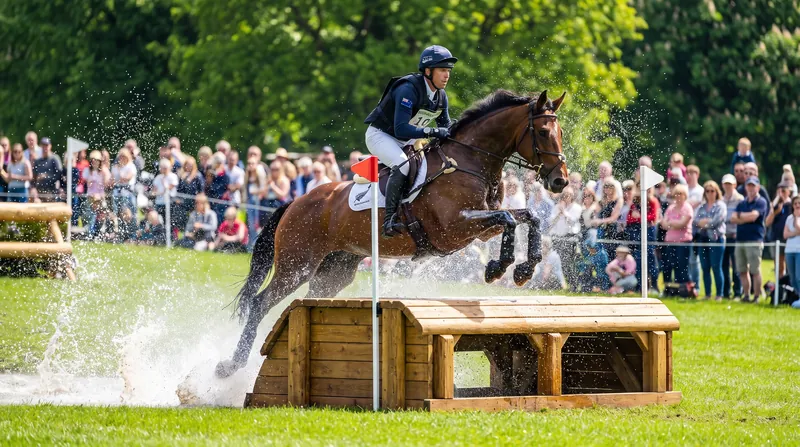
France Holds Eventing Nations Cup Lead as New Zero-Score Final Format Shakes Up Strategy
6 sources
Standings
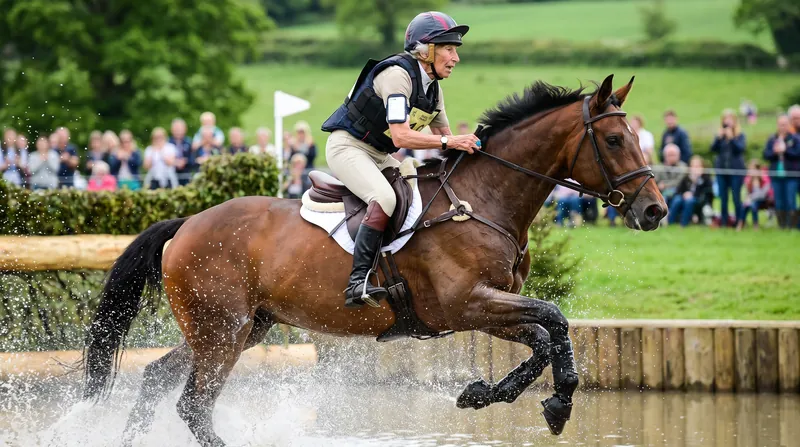
Riesenbeck International Seizes Global Champions League Lead as Basel Cosmopolitans Surge
6 sources
Standings
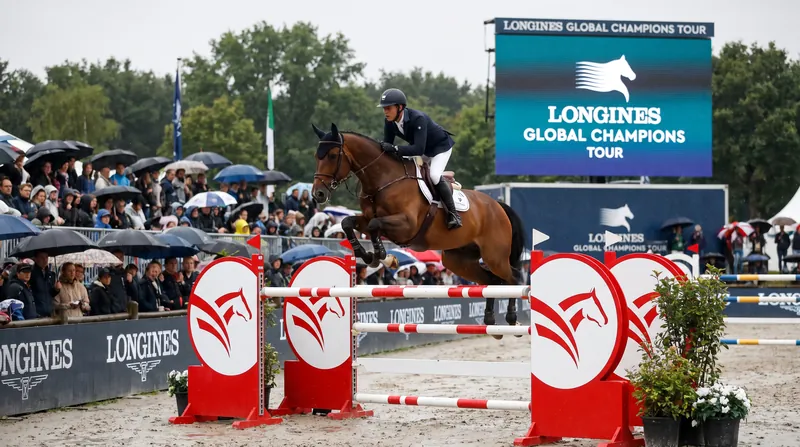
Shane Sweetnam Reaches Career-High Third as Kent Farrington Maintains Lead in August Longines Jumping Rankings
7 sources
Injury
Global Equestrian Injury Report: Bubby Upton Completes Historic Comeback as Dressage Icons Navigate Recovery
6 sources
Comments
Every angle. Every day.
Get Sports stories with full source coverage and perspective breakdowns, free every day.