
Dutch Stars Croon and van Dam Return from Injury as Teams Finalize 2026 World Cup Squads
The Netherlands men's field hockey team has restored its roster to full strength ahead of the 2026 World Cup, welcoming back key players Jorrit Croon and Thijs van Dam from injury. The timely recoveries highlight the critical role of injury management as nations prepare for the global tournament in August.

- National Team Management
- Focuses on assembling the strongest possible roster and balancing player health with tactical cohesion.
- Sports Medicine Professionals
- Prioritizes long-term athlete welfare and data-driven protocols to reduce severe injury rates.
- Players and Advocates
- Emphasizes the need for safe training environments and equitable facilities across all competing nations.
Perspectives this story doesn't cover
- Club Team Coaches
- Tournament Infrastructure Organizers
Why this matters
In elite field hockey, the margin between a World Cup medal and an early exit often comes down to roster health. The return of veteran playmakers for the co-host nation reshapes the tournament's competitive balance, while underscoring the growing emphasis on advanced sports medicine in international hockey.
Key points
- The Netherlands has named its 20-player squad for the 2026 FIH Men's Hockey World Cup.
- Midfielder Jorrit Croon and forward Thijs van Dam have officially returned from long-term injuries.
- Coach Jeroen Delmée highlighted their crucial impact on both on-field tactics and off-field team culture.
- In contrast, Pakistan's World Cup preparations have been hindered by injuries caused by poor training facilities.
- A recent sports medicine study confirms that nearly 88% of men's elite field hockey injuries require no time loss.
- The FIH will host a Medical Symposium in Wavre to further advance injury prevention and athlete welfare.
- 20
- Players in Netherlands World Cup squad
- 1.3
- Severe injuries per 1,000 player hours (men)
- 87.8%
- Men's injuries requiring no time loss
The countdown to the 2026 FIH Men's Hockey World Cup has officially entered its final stretch, and for the co-host Netherlands, the timing could not be better. National coach Jeroen Delmée has unveiled his 20-player squad for the August tournament, delivering a massive boost to the home crowd: the return of midfield maestro Jorrit Croon and dynamic forward Thijs van Dam. The duo's recovery from lingering injuries restores the Dutch roster to full strength just weeks before the opening matches in Amsterdam and Wavre.
Both Croon and van Dam were notable absences during the recent FIH Pro League fixtures, missing crucial matches in Rotterdam and Wavre. The two veterans had been sidelined as they rehabilitated from injuries sustained following the European Championship. Their absence forced Delmée to test his depth, but the ultimate goal was always to have his primary playmakers fit for the global stage.[1]
"Jorrit and Thijs's recovery is going well, and we are satisfied with where they stand at the moment," Delmée noted during the squad announcement. Beyond their undeniable tactical value on the pitch, the coach emphasized their intangible contributions to the squad's environment. "Apart from on the field, where they are important, they also have a major impact on the dynamics off the field, for example in culture and behavior."
The relief in the Dutch camp is palpable. Managing elite athletes through a grueling international calendar requires a delicate balance of rest, rehabilitation, and competitive minutes. "From this moment on, we can play with the strongest squad again; due to various injuries, this was not possible after the European Championship," Delmée explained. Over the next three weeks, the team will focus entirely on fine-tuning their tactical execution without the looming anxiety of medical clearances.
The Dutch success in rehabilitating their stars stands in stark contrast to the fortunes of other competing nations, highlighting how fragile World Cup dreams can be. The Pakistan national team, for instance, has faced a chaotic preparation period marred by substandard training conditions. Key players Hunan Shahid and Mohammad Sufyan sustained injuries while practicing on a degraded turf, leaving their availability for the August tournament in serious doubt and severely hampering the squad's Pro League campaign.
The Dutch success in rehabilitating their stars stands in stark contrast to the fortunes of other competing nations, highlighting how fragile World Cup dreams can be.
These divergent storylines underscore a broader conversation within international field hockey regarding player welfare and injury risk management. The sport's high-speed nature, featuring drag flicks that exceed 150 kilometers per hour and rapid directional changes on artificial turf, inherently carries physical risks. However, recent data suggests that the sport's governing bodies are making strides in mitigating the most catastrophic outcomes.[2][3]
A comprehensive study published in BMJ Open Sport & Exercise Medicine evaluated the FIH's new injury assessment protocol across recent elite tournaments. The findings revealed that while minor knocks are common, severe injuries remain exceptionally rare. According to the data, male elite players suffer just 1.3 severe injuries per 1,000 player match hours. Remarkably, 87.8% of recorded injuries in men's tournaments resulted in no time loss from competition, allowing athletes to continue playing immediately or after a brief assessment.[2]
Despite the low incidence of severe trauma, the injuries that do occur—such as ACL tears or complex fractures—require meticulous, long-term rehabilitation. To further advance the science of player health, the FIH is hosting a dedicated Medical Symposium in Wavre during the 2026 World Cup. The event will gather global experts to discuss evidence-based approaches to injury prevention, performing in extreme heat, and the psychological resilience required to return from long-term sideline stints.[3]
For players like Croon and van Dam, the mental hurdle of returning to top-tier competition is often just as demanding as the physical recovery. Integrating back into a squad that has already built momentum requires a high-performance mindset, a topic that sports psychologists will heavily feature at the upcoming Wavre symposium.
As the hockey world turns its attention to the Low Countries for the August 15 kickoff, the narrative is set. The Netherlands will step onto their home turf with a reunited, fully fit squad, ready to capitalize on the energy of their returning stars. In a tournament where attrition often dictates the champion, the Dutch have won their first major battle before the first whistle has even blown.[3]
How we got here
Late 2025
Jorrit Croon and Thijs van Dam sustain injuries following the European Championship, sidelining them for months.
December 2025
A BMJ study publishes data on the FIH's new injury assessment protocol, revealing low rates of severe trauma in the sport.
June 2026
Pakistan's national team suffers a setback as key players are injured on substandard training turf ahead of the World Cup.
July 31, 2026
Netherlands coach Jeroen Delmée announces his 20-player World Cup squad, confirming the return of Croon and van Dam.
August 15, 2026
The FIH Men's Hockey World Cup officially kicks off in Amsterdam and Wavre.
Sources
Source coverage
3 outlets
3 viewpoints surfaced



- [1]FIH OfficialNational Team Management
FIH Hockey Pro League 2025-26 Match Schedule
Read on FIH Official → - [2]BMJ Open Sport & Exercise MedicineSports Medicine Professionals
Injuries at elite field hockey tournaments: results of a new injury assessment protocol
Read on BMJ Open Sport & Exercise Medicine → - [3]Factlen Editorial TeamSports Medicine Professionals
Synthesis by Factlen editorial team
Read on Factlen Editorial Team →
Comments

More in Sports
See all →Standings
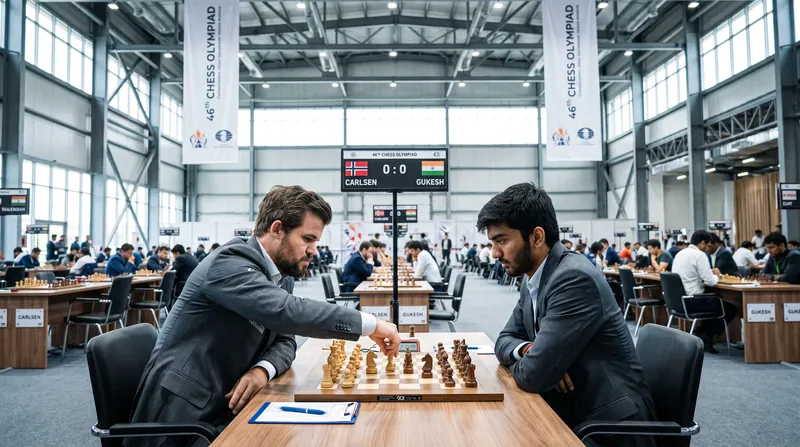
Race to Gold Narrows at 46th Chess Olympiad as US, India, and Uzbekistan Remain Perfect
7 sources
Recap
Gerwyn Price Survives Brody Klinge's Stunning Fightback at World Series of Darts Finals
4 sources

Storyline
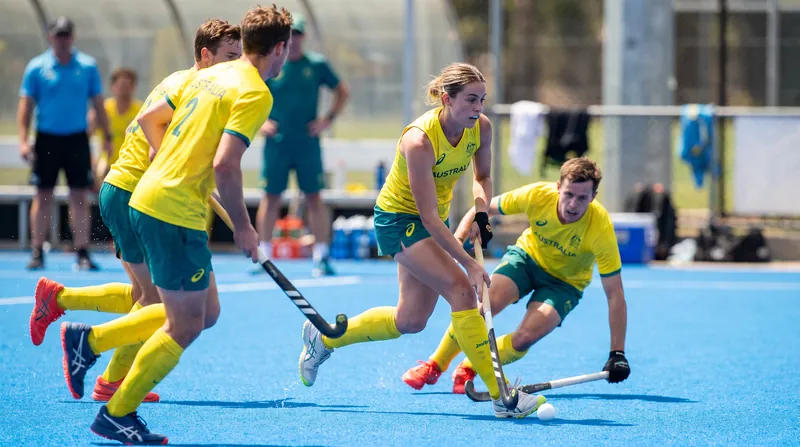
Hockey Australia Launches 'Talent Accelerator 2032' to Fast-Track Next Generation
4 sources
Storyline
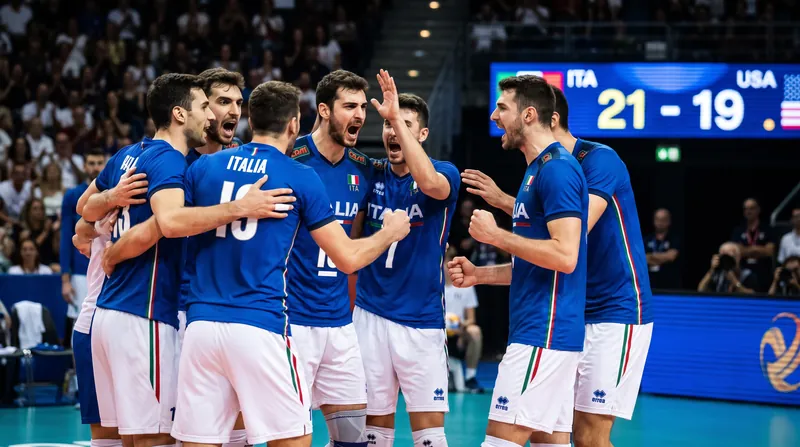
Italy Completes Flawless EuroVolley Group Stage as Knockout Phase Arrives in Turin and Sofia
6 sources
Every angle. Every day.
Get Sports stories with full source coverage and perspective breakdowns delivered to your inbox.