
The Science of 'Swicy': How Sugar Rewrites the Brain's Response to Capsaicin
The sweet-and-spicy flavor trend has dominated grocery aisles and restaurant menus in 2026. By pairing the aggressive burn of chili peppers with the viscous coating of sugar, food developers are bypassing the palate's standard pain thresholds.
By Kabir Mehra

- Flavor Developers
- Focus on leveraging the sweet-heat contrast to drive consumer engagement and market growth.
- Sensory Researchers
- Focus on the biological and neurological mechanisms that allow sucrose to blunt pain signals.
- Market Analysts
- Focus on the broader economic impact and evolution of the trend into savory categories.
- Editorial Synthesis
- Comprehensive analysis of the trend's underlying mechanics.
Perspectives this story doesn't cover
- Traditional chili farmers
- Dietitians analyzing the health impacts of increased sugar consumption in savory foods
The short answer
- The 'swicy' (sweet and spicy) flavor trend saw a 27.82% growth in consumer conversations in early 2026.
- Capsaicin binds to TRPV1 pain receptors, triggering a burning sensation rather than a traditional taste.
- Sugar increases the viscosity of a bite, creating a physical barrier that slows capsaicin from reaching nerve endings.
- The intense sweetness acts as a competing neurological signal, distracting the brain from the pain of the heat.
- Major snack brands are expanding the trend into 'swavory' profiles, incorporating briny and umami notes.
The bottle of hot honey drizzled over your Friday night pizza has already rewritten the rules of how you experience heat. By pairing the aggressive burn of chili peppers with the thick, coating comfort of sugar, the "swicy" (sweet and spicy) flavor profile has bypassed the standard pain thresholds of the American palate, allowing you to taste the floral, fruity notes of a habanero without the punishing aftermath.[3]
This deliberate contrast has moved from a niche condiment to a dominant force in grocery aisles and restaurant menus. In early 2026, sweet-and-spicy flavor combinations saw a 27.82% growth in consumer conversations, prompting major snack brands like Lay's to trademark the term "swicy" to secure market share. The global market for sauces and condiments is now projected to reach $240.7 billion by 2028, with sweet-and-spicy variants driving significant year-over-year growth.[1]
The appeal is not just a marketing invention; it is rooted in human neurology. Capsaicin, the active compound in chili peppers, does not actually possess a flavor. Instead, it binds to TRPV1 receptors in the mouth—the exact same nerve endings that detect physical heat and send pain signals to the brain.
When you eat a raw jalapeño, those receptors scream that your mouth is burning. But when that same heat is suspended in honey or brown sugar, the physical mechanics of eating change. Sugar increases the viscosity of the bite, coating the tongue and slightly thickening the saliva.[3]
This physical barrier slows the rate at which capsaicin reaches the TRPV1 receptors. The heat feels delayed, allowing the diner to experience the complex, aromatic compounds of the pepper—the tropical fruitiness of a habanero or the smoky depth of a chipotle—before the burn takes over.[3]
Furthermore, the brain can only process so many sensory inputs at once. A study published in Physiology & Behavior demonstrated that applying a 1M sucrose solution reduced capsaicin-induced burning sensations by 29%, proving highly effective at mitigating the pain and outperforming even milk for some subjects.[2]
The intense sweetness acts as a competing signal, distracting the gustatory cortex. While the capsaicin is still binding to the pain receptors, the simultaneous flood of pleasure signals from the sugar blunts the perceived intensity of the heat. "Capsaicin always suppressed sweetness, bitterness and umami. Saltiness and sourness weren't affected at all," explained Chris Simons, a sensory researcher at the University of California, Davis, highlighting how the two sensations compete for neurological bandwidth.
The intense sweetness acts as a competing signal, distracting the gustatory cortex.
This neurological trick is why the swicy trend has successfully captured consumers who typically avoid spicy foods. It delivers the adrenaline rush of eating chili peppers without the lingering punishment. The sweetness opens the palate, and the heat extends the finish.[1]
Food developers are leaning heavily into this mechanism. A September 2026 report by Innova Market Insights noted that 30% of global consumers are actively seeking intense, bold profiles that linger on the palate, driving brands to deploy complex chilies across entirely new categories.
"Sweet and spicy is such a versatile combination, it works across everything from snacks to main courses," noted Mike Kurtz, founder of Mike's Hot Honey, in a recent industry report by Tastewise.[1]
The trend is also evolving to incorporate savory and dairy elements. In September 2026, Philadelphia Cream Cheese launched a Mike's Hot Honey whipped spread, bringing the sweet-heat matrix to the breakfast aisle. Industry trackers report that swicy is expanding into "swavory" and "swangy" territories, folding umami-rich and briny notes into the formula to capture a broader demand for high-contrast, layered flavors.
While the term "swicy" is a recent social media invention, the flavor architecture is ancient. Indigenous Aztec and Mayan cultures combined rich cacao with fiery chilies thousands of years ago, while Asian cuisines have long relied on the sweet-heat balance of Korean gochujang and Thai sweet chili sauce.[3]
What has changed is the speed and scale of adoption. Driven by Gen Z and Millennial consumers seeking bold, multi-sensory experiences, the flavor profile has crossed over from savory dinners into the dessert course. Puratos, a global bakery supplier, notes that swicy is now the fastest-growing flavor trend in patisserie, appearing in mango-chili macarons and pink peppercorn dark chocolate.
For home cooks, understanding this science unlocks a new level of control in the kitchen. If a weeknight curry or chili is too aggressive, adding a tablespoon of brown sugar or maple syrup will not remove the capsaicin, but it will change how the brain interprets it, rounding out the sharp edges of the spice.[2]
The swicy movement proves that heat is contextual, not absolute. By manipulating the physical viscosity and the neurological signals of a bite, sugar transforms spice from a test of endurance into a layered, highly craveable culinary experience.[3]
Jargon, explained
- Capsaicin
- The active chemical compound in chili peppers that produces a burning sensation by binding to pain receptors.
- TRPV1 Receptor
- A nerve ending in the mouth and skin that detects physical heat and pain, which is also triggered by capsaicin.
- Swicy
- A portmanteau of 'sweet' and 'spicy,' describing a flavor profile that uses initial sweetness to buffer and complement complex heat.
- Gustatory Cortex
- The region of the brain responsible for the perception and processing of taste.
Sources
Source coverage
3 outlets
4 viewpoints surfaced



- [1]TastewiseFlavor Developers
The business of bold flavors: Lay's trademarks 'swicy'
Read on Tastewise → - [2]National Institutes of HealthSensory Researchers
Sweet taste and chorda tympani transection alter capsaicin-induced lingual pain perception in adult human subjects
Read on National Institutes of Health → - [3]Factlen Editorial TeamEditorial Synthesis
Synthesis by Factlen editorial team
Read on Factlen Editorial Team →
Comments
More in Food & Drink
See all →Fermentation Science
The 1.0 to 1.5 pH Drop: How Lactic Acid Bacteria Convert Sugars to Acid to Define the Texture and Safety of Sauerkraut and Kimchi
6 sources

Culinary Science
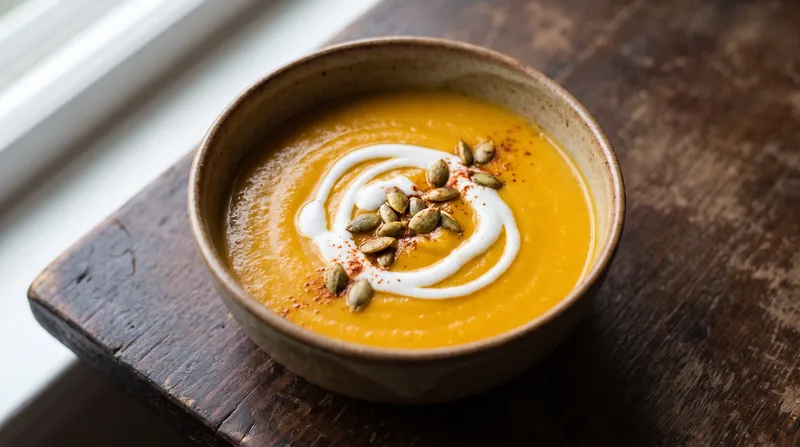
The Science of Emulsification: How 3-Ingredient Pumpkin Soup Actually Works
5 sources
Food Chemistry
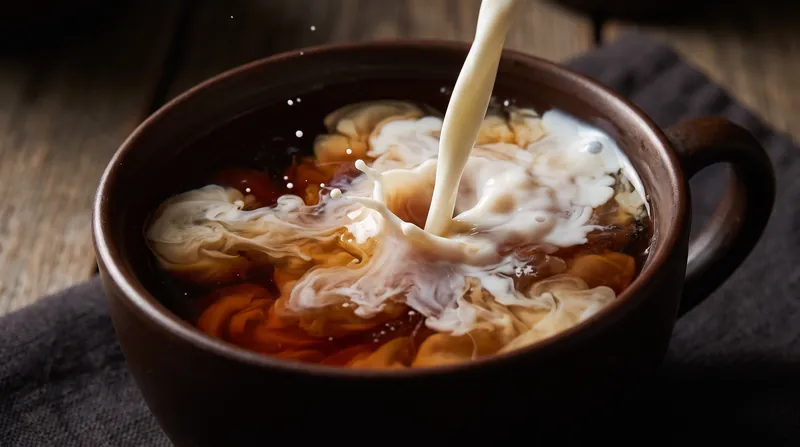
The Casein-Catechin Bond: How Milk Proteins Neutralize Astringency and Alter the Antioxidant Profile of Black Tea
6 sources
Espresso Mechanics
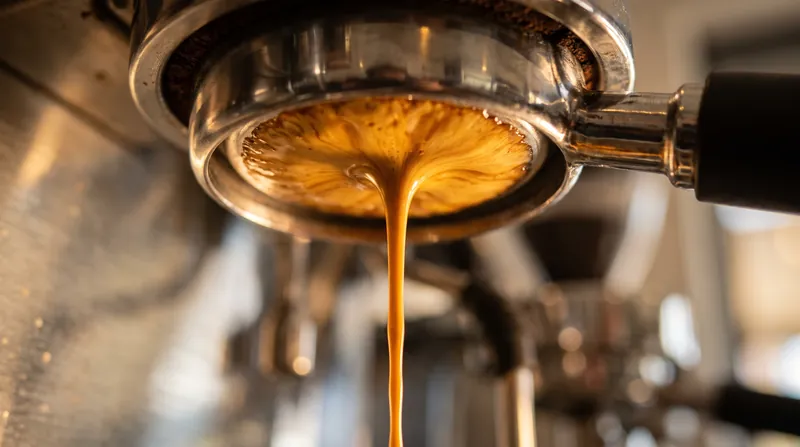
How Bimodal Grind Distributions Build the Structural Resistance Required for 9-Bar Espresso
2 sources
Every angle. Every day.
Get Food & Drink stories with full source coverage and perspective breakdowns delivered to your inbox.