
The Science of Delayed Onset Muscle Soreness (DOMS): What Causes It, and What the Evidence Says About Mitigation
Delayed onset muscle soreness is a universal byproduct of novel exercise, driven by micro-trauma and inflammation rather than lactic acid. While popular recovery methods like cold-water immersion and massage offer temporary relief, evidence suggests the most effective long-term mitigation is repeated exposure to the specific stressor.
By Maya Khalil

Share this story
In short
- DOMS is caused by microscopic damage to muscle fibers and the subsequent inflammatory response, not lactic acid buildup.
- Eccentric exercises, where the muscle lengthens under tension, are the primary trigger for severe muscle soreness.
- The 'repeated bout effect' is the most effective preventative measure, where initial exposure to an exercise protects against future soreness.
Anyone who has ever returned to the gym after a long hiatus, or tried a completely new sport, knows the feeling: waking up 24 to 48 hours later with muscles so stiff and tender that walking down stairs becomes a calculated, painful maneuver. This phenomenon is known clinically as Delayed Onset Muscle Soreness (DOMS).
For decades, locker-room lore attributed this pain to the buildup of lactic acid in the muscles. However, sports science has thoroughly debunked that theory. Lactic acid is cleared from the bloodstream within an hour of exercise cessation. The soreness that peaks two days later is driven by a completely different mechanism: microscopic structural damage to the muscle fibers themselves, followed by an inflammatory cascade.
The primary culprit behind DOMS is eccentric exercise—movements where the muscle is lengthening while under tension. Think of the downward phase of a bicep curl, running downhill, or the lowering portion of a squat. During these eccentric contractions, fewer motor units are recruited compared to concentric (shortening) contractions, meaning the mechanical stress is distributed across a smaller cross-sectional area of the muscle. This concentrated stress causes micro-tears in the muscle cell membranes and the contractile proteins (actin and myosin) within the sarcomeres, the basic functional units of muscle tissue.
This initial mechanical damage is just the first step. What follows is a complex biochemical response. The micro-trauma triggers an influx of calcium ions into the muscle cells, which activates proteases—enzymes that break down damaged cellular proteins. Simultaneously, the body initiates an inflammatory response to clean up the cellular debris and begin the repair process.
White blood cells, particularly neutrophils and macrophages, migrate to the damaged area, releasing cytokines and prostaglandins. These inflammatory mediators sensitize the nociceptors (pain receptors) in the muscle fascia and surrounding connective tissue, making them hyper-responsive to movement and pressure. This is why the muscle feels tender to the touch and painful when stretched.
The severity of DOMS is highly variable and depends on several factors, including the intensity and duration of the exercise, the individual's training status, and, crucially, their familiarity with the specific movement. A highly trained marathon runner might experience severe DOMS after a single heavy weightlifting session, while an elite powerlifter might be crippled by a five-mile run. This specificity highlights the "repeated bout effect" (RBE), which is arguably the most effective, albeit preventative, strategy against DOMS.
The repeated bout effect refers to the phenomenon where a single bout of eccentric exercise provides a protective effect against muscle damage and soreness in subsequent bouts of the same exercise. This adaptation occurs rapidly, often after just one session, and can last for weeks or even months.
The exact mechanisms behind the RBE are still debated but likely involve a combination of neural adaptations (better motor unit recruitment), mechanical adaptations (strengthening of the connective tissue and addition of sarcomeres in series), and cellular adaptations (a blunted inflammatory response). For the practical exerciser, this means the best way to prevent DOMS from a specific activity is to gradually expose the body to that activity, allowing the RBE to take effect.
But what happens when the damage is already done, and the soreness has set in? The fitness industry is awash with products and protocols promising to accelerate recovery and eliminate DOMS, ranging from foam rollers and massage guns to specialized supplements and cryotherapy chambers. When subjected to rigorous scientific scrutiny, however, the efficacy of many of these interventions is surprisingly modest, and often highly context-dependent.[1][2]
Cold-water immersion (CWI), commonly known as ice baths, is one of the most widely used recovery strategies among elite athletes. The rationale is that the cold temperature constricts blood vessels, reducing swelling and blunting the inflammatory response.
A comprehensive Cochrane review analyzing multiple trials found that CWI does indeed provide a statistically significant reduction in delayed onset muscle soreness compared to passive rest, particularly at 24 and 48 hours post-exercise. However, the review noted that the quality of evidence is generally low, and the actual clinical significance of the pain reduction—often just a point or two on a 10-point scale—may be marginal for the average person.[4]
Furthermore, there is a growing body of evidence suggesting that while CWI might reduce soreness, it could also blunt the long-term adaptive response to exercise, particularly resistance training. The inflammation that causes DOMS is also a key signaling mechanism for muscle hypertrophy (growth) and strength gains. By artificially suppressing that inflammation with cold water, athletes might be short-changing their long-term progress in exchange for short-term pain relief. Therefore, CWI might be appropriate during a dense competitive season where immediate recovery is paramount, but counterproductive during an off-season hypertrophy phase.[4][5]
Massage and active recovery (light, low-intensity exercise) are also frequently employed to combat DOMS. Network meta-analyses comparing various physical therapy modalities suggest that massage can be effective in reducing the perception of soreness, likely by increasing blood flow to the area and providing a temporary analgesic effect through the stimulation of mechanoreceptors in the skin and fascia.
Active recovery, such as a light cycle or swim, operates on a similar principle, promoting blood flow and the clearance of metabolic byproducts without inducing further muscle damage. Both methods offer transient relief, but neither significantly accelerates the underlying cellular repair process.[1][2]
Nutritional interventions and supplements are another massive market targeting DOMS. Antioxidants, such as vitamins C and E, tart cherry juice, and curcumin, are often marketed as recovery aids due to their ability to neutralize reactive oxygen species (free radicals) produced during exercise and the subsequent inflammatory response.
While some studies show minor reductions in soreness with high-dose antioxidant supplementation, the overall consensus is mixed. Similar to CWI, there is concern that excessive antioxidant intake might blunt the oxidative stress signals necessary for cellular adaptation, particularly mitochondrial biogenesis (the creation of new mitochondria), which is crucial for endurance athletes.[3][5]
Protein and amino acid supplementation, particularly branched-chain amino acids (BCAAs), are also heavily promoted for recovery. The logic is sound: if DOMS is caused by muscle protein breakdown, providing the building blocks for muscle protein synthesis should accelerate repair.
However, research indicates that as long as an individual is consuming adequate total daily protein (generally 1.6 to 2.2 grams per kilogram of body weight for active individuals), additional BCAA supplementation offers no significant benefit in reducing DOMS or accelerating recovery. The body already has the necessary substrates; the rate-limiting step is the biological repair process itself.[3]
Non-steroidal anti-inflammatory drugs (NSAIDs) like ibuprofen are frequently used by athletes to manage DOMS pain. While they are effective at reducing the perception of soreness by inhibiting prostaglandin synthesis, their use is controversial. Chronic use of NSAIDs can impair the muscle repair process and has been linked to gastrointestinal issues and potential cardiovascular risks. They are generally not recommended as a primary strategy for managing routine exercise-induced soreness.
Ultimately, the science of DOMS reveals a biological trade-off. The soreness is a symptom of the very micro-trauma and inflammation required to stimulate adaptation and make the muscle stronger, larger, and more resilient. While various modalities can offer temporary symptomatic relief, there is no magic bullet to instantly repair the structural damage.
The most effective strategy is a proactive one: utilizing the repeated bout effect through progressive overload, ensuring adequate sleep and nutrition to support the body's natural repair mechanisms, and accepting that a certain degree of soreness is simply the price of admission for physical adaptation.[5]
How we did this
- Method
- Comparison of efficacy and mechanism across different recovery modalities
- What we found
- While various modalities like CWI and antioxidants offer transient symptomatic relief from DOMS, they share a common physiological trade-off: the potential to blunt the very inflammatory and oxidative signals required for long-term muscular adaptation and hypertrophy.
- What we worked from
- Cold-water immersion efficacy: Statistically significant reduction in DOMS compared to passive rest — Cochrane
- Antioxidant efficacy: Mixed consensus, potential to blunt oxidative stress signals — Factlen Editorial Team
- Limits of this analysis
- This analysis relies on aggregated meta-data and cannot account for individual genetic variations in inflammatory response or specific training protocols.
Competing readings
Sports Physiologists
Focus on the cellular mechanisms of muscle damage and view inflammation as a necessary component of long-term adaptation and growth.
From a physiological perspective, DOMS is not a 'problem' to be solved, but a necessary signal for adaptation. Researchers in this camp emphasize that the micro-trauma and subsequent inflammation are the very triggers that tell the body to build stronger, more resilient muscle tissue. They caution against aggressive use of recovery modalities like cold-water immersion or high-dose NSAIDs during hypertrophy phases, arguing that blunting the inflammatory response also blunts the adaptive response. For these scientists, the focus is on managing training load to utilize the repeated bout effect, rather than trying to artificially suppress the body's natural repair mechanisms.
Clinical Therapists
Prioritize modalities that reduce pain and restore range of motion in the short term, often utilizing massage and active recovery.
Physical therapists and athletic trainers often operate on a different timeline than research physiologists. When dealing with an athlete who needs to perform again in 48 hours, or a recreational exerciser whose soreness is preventing them from moving comfortably, the immediate goal is symptom management. This camp relies heavily on modalities that modulate pain perception and increase local blood flow, such as massage, light active recovery, and sometimes targeted temperature therapy. While they acknowledge these methods may not accelerate cellular repair, they argue that restoring functional movement and reducing perceived pain are critical for maintaining training consistency and overall well-being.
Evidence-Based Nutritionists
Evaluate the efficacy of supplements and dietary interventions, often finding that whole-food protein and adequate calories outweigh specific recovery supplements.
Nutrition researchers evaluating DOMS interventions frequently find themselves debunking industry marketing claims. This perspective emphasizes that while adequate total daily protein is essential for muscle repair, the timing and specific type of amino acid supplementation (like BCAAs) offer little to no additional benefit for reducing soreness in individuals who already consume enough protein. They also highlight the mixed evidence surrounding antioxidant supplements, noting that while they might offer minor reductions in soreness, they do not replace the fundamental requirements of sleep, total caloric intake, and appropriate training progression.
- Sports Physiologists
- Focus on the cellular mechanisms of muscle damage and view inflammation as a necessary component of long-term adaptation and growth.
- Clinical Therapists
- Prioritize modalities that reduce pain and restore range of motion in the short term, often utilizing massage and active recovery.
- Evidence-Based Nutritionists
- Evaluate the efficacy of supplements and dietary interventions, often finding that whole-food protein and adequate calories outweigh specific recovery supplements.
Perspectives this story doesn't cover
- Recreational athletes who rely on anecdotal recovery methods
- Supplement manufacturers marketing DOMS-specific products
Sources
Source coverage
5 outlets
3 viewpoints surfaced





- [1]MDPISports Physiologists
Acute and Delayed Effects of Post-Exercise Recovery Strategies on Explosive Performance and Markers of Muscle Damage: A Systematic Review and Network Meta-Analysis
Read on MDPI → - [2]PMCClinical Therapists
Differences in the Effectiveness of Different Physical Therapy Modalities in the Treatment of Delayed-Onset Muscle Soreness: A Systematic Review and Bayesian Network Meta-Analysis
Read on PMC → - [3]ExamineEvidence-Based Nutritionists
What evidence-based methods are there for decreasing soreness after exercise?
Read on Examine → - [4]CochraneEvidence-Based Nutritionists
Cold-water immersion for preventing and treating muscle soreness after exercise
Read on Cochrane → - [5]Factlen Editorial Team
Synthesis by Factlen editorial team
Read on Factlen Editorial Team →

More in Fitness
See all →Fatty Acid Metabolism
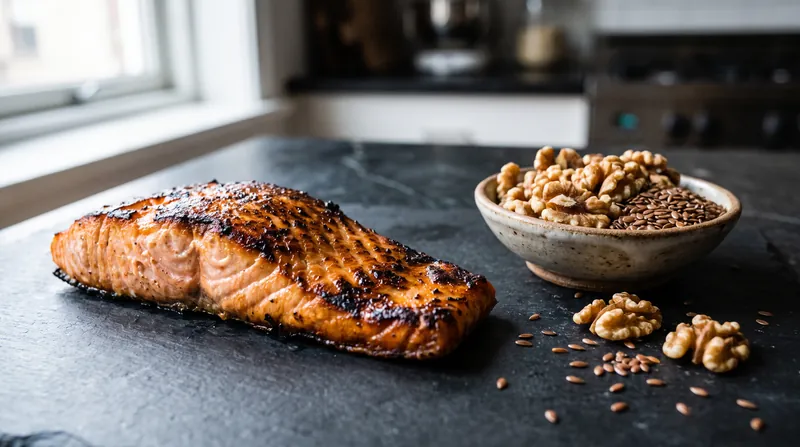
The 10-to-1 Ratio: How the Ideal Omega-6 to Omega-3 Intake Ratio Minimizes Systemic Inflammation and Accelerates Recovery
7 sources
Recovery Science
The 24-Hour Window: Why Cold Water Immersion Immediately Post-Workout Blunts Muscle Protein Synthesis
6 sources

Supplement Science
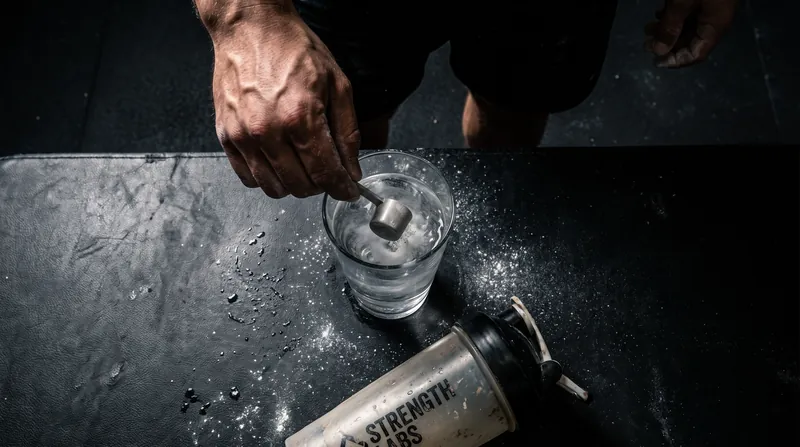
The 0.7% Water Retention Trade-Off: How Creatine Drives Muscle Growth Through ATP Regeneration
8 sources
Recovery Nutrition
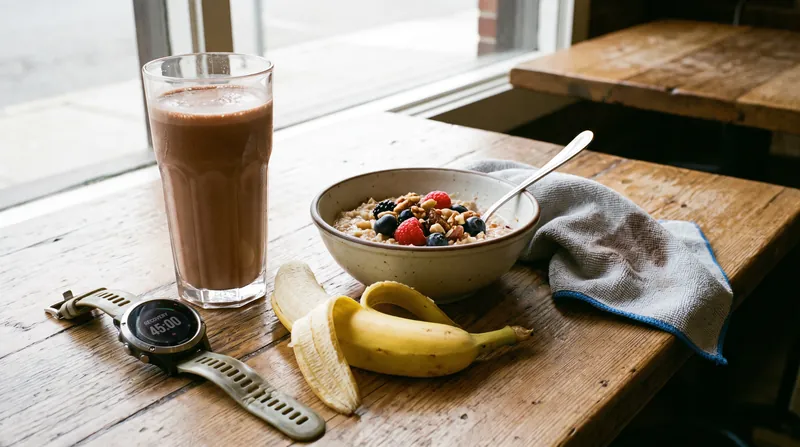
The 3:1 Carbohydrate-to-Protein Ratio: How Insulin Signaling Accelerates Post-Exercise Glycogen and Muscle Repair
9 sources
Comments
Every angle. Every day.
Get Fitness stories with full source coverage and perspective breakdowns, free every day.