
Rowing Injury Report: Kathryn Glen Sidelined from New Zealand Quad, Propelling Beckie Leigh into World Championship Squad
An untimely injury has ruled New Zealand's Kathryn Glen out of the primary Women's Quadruple Sculls boat, opening the door for Beckie Leigh to secure a spot ahead of the World Championships. Glen will travel to Amsterdam as a reserve while she completes her rehabilitation.

Share this story
The grueling reality of the international rowing calendar has forced a late-season reshuffle for New Zealand's Women's Quadruple Sculls. Just weeks ahead of the 2026 World Rowing Championships in Amsterdam, Kathryn Glen has been sidelined with an injury, ruling her out of the primary boat.[1]
Glen's misfortune, however, has provided a career-saving reprieve for Beckie Leigh. After missing out on re-selection for the Women's Four earlier in the season, Leigh was preparing to spend the winter at home in New Zealand. Instead, she received a late call-up to join Olivia Hay, Stella Clayton-Greene, and Veronica Wall in the quad.
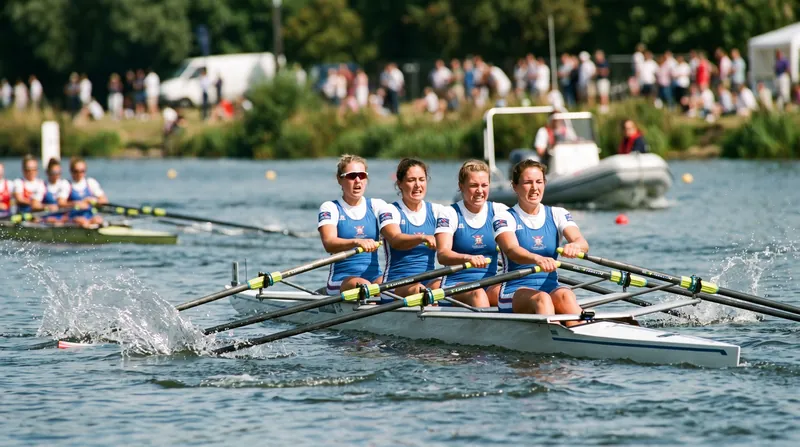
The newly formed quartet wasted no time proving their viability on the water. At the recent World Rowing Cup III in Lucerne, Switzerland—widely considered the ultimate form check before the World Championships—the crew finished second in their heat.
Clocking the fourth-fastest time overall in the heats, the reshuffled New Zealand quad advanced directly to the A Final, establishing themselves as legitimate medal contenders despite the disrupted preparation. "We wanted to be relaxed and we wanted to keep it simple, and we did that," Leigh noted following the race.
The ability to seamlessly swap an athlete into a highly technical sweep or sculling boat speaks to the depth of the New Zealand high-performance program. Elite rowing relies heavily on synchronization and shared biomechanics; introducing a new stroke rhythm mid-season often derails a crew's speed.[1]
For Glen, the injury is a frustrating setback, but her season is not entirely over. Rowing New Zealand has officially named her as a traveling reserve for the World Championships squad heading to Amsterdam in late August.[1]
Traveling as a reserve indicates that Glen's rehabilitation is progressing and that team medical staff believe she will be fit enough to step into a boat if another athlete falls ill or suffers a mechanical issue during the regatta.[1][4]
She will be supported by a secondary tier of standby athletes remaining in New Zealand, including Alice Fahey, Arie Magasiva, and Oscar Ruston. This layered backup system reflects the unpredictable attrition rate of the current global rowing circuit, where high training volumes frequently lead to overuse injuries.[1][4]
The World Cup series has seen several high-profile withdrawals this month due to similar physical tolls. France's Emma Lunatti and Australia's Austin Reinehr were both forced out of Lucerne with rib stress injuries, while Dutch Olympic champion Karolien Florijn withdrew to manage a back issue.
The physical demands of the quadruple sculls make it one of the most punishing events on the rowing program. Athletes must generate immense power through their legs and core while maintaining a perfectly synchronized catch and release at 35 to 40 strokes per minute.[2][4]
When an injury occurs in this boat class, it is rarely a sudden trauma. Sports medicine reviews indicate that the vast majority of rowing injuries—particularly to the lower back and ribs—are cumulative overuse issues triggered by the repetitive load of high-volume training blocks.[4]
Managing these overuse injuries requires a delicate balance. Medical staff must weigh the athlete's long-term health against the immediate pressure of an impending World Championship. By moving Glen to the reserve roster, New Zealand's coaches have prioritized her recovery while keeping her integrated into the team environment.[1][4]
The strategy also relieves the pressure on the remaining crew members. Knowing that Leigh is fully locked into the seat allows Hay, Clayton-Greene, and Wall to commit to their race plan without the uncertainty of a day-to-day medical watch.[1]
As the global rowing community converges on the demanding Bosbaan course in Amsterdam this August, the narrative will undoubtedly center on which nations managed their athletes' health most effectively. For New Zealand, a mid-season injury crisis has unexpectedly showcased the resilience and readiness of their broader roster.[1][2]
The essentials
- Kathryn Glen has been ruled out of the primary New Zealand Women's Quadruple Sculls due to a mid-season injury.
- Beckie Leigh, who initially missed selection for the Women's Four, was called up to fill the vacant seat.
- The reshuffled crew quickly found their rhythm, advancing to the A Final at World Cup III in Lucerne.
- Glen will still travel to the World Championships in Amsterdam as an official reserve while continuing her rehabilitation.
Timeline
May 2026
Beckie Leigh misses re-selection for the New Zealand Women's Four and prepares for an off-season at home.
June 2026
Kathryn Glen sustains an injury, prompting coaches to call Leigh into the Women's Quadruple Sculls.
Late June 2026
The newly formed quad finishes second in their heat at World Cup III in Lucerne, advancing to the A Final.
June 29, 2026
Rowing New Zealand officially names its World Championship squad, listing Leigh in the quad and Glen as a traveling reserve.
August 24, 2026
The World Rowing Championships are scheduled to begin in Amsterdam.
- Squad Selectors
- Focuses on maintaining boat speed through depth and tactical substitutions.
- Emerging Athletes
- Views injuries as the unpredictable breaks that define a fringe athlete's career.
- Sports Medicine
- Emphasizes conservative rehab timelines for cumulative rowing injuries.
Perspectives this story doesn't cover
- Kathryn Glen's personal medical team
- Rival international quadruple sculls crews
Sources
Source coverage
4 outlets
3 viewpoints surfaced




- [1]Boating New ZealandSquad Selectors
New Zealand Rowing Team – 2026 World Rowing Championships
Read on Boating New Zealand → - [2]World RowingEmerging Athletes
2026 World Rowing Cup Series
Read on World Rowing → - [3]British RowingSports Medicine
Six crews into A Finals as World Rowing Cup III gets underway
Read on British Rowing → - [4]National Institutes of HealthSports Medicine
Rowing injuries: an updated review
Read on National Institutes of Health →
More in Sports
See all →Standings
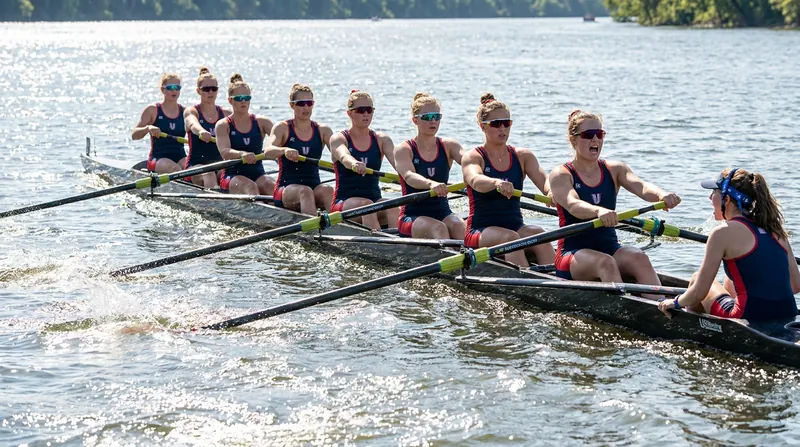
The PR3 Mixed Coxed Four Championship Picture: USA Surges in Lucerne as Great Britain's 15-Year Reign Faces Ultimate Test
2 sources
Standings
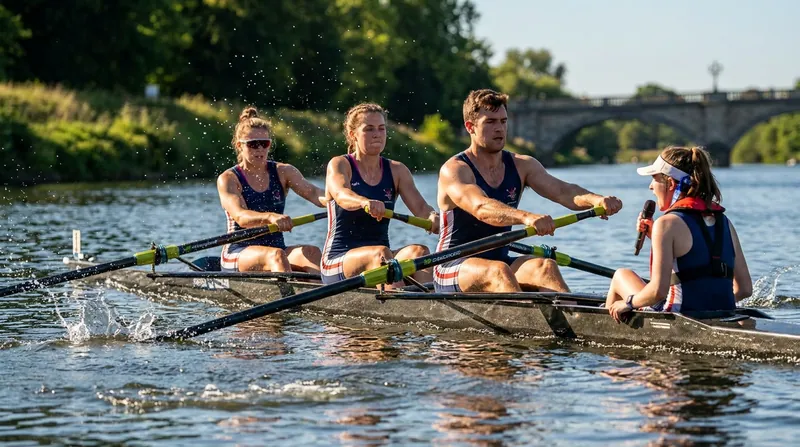
The Women's Pair Championship Picture: USA, Chile, and Czechia Locked in Three-Way Battle Ahead of Amsterdam
2 sources
Standings
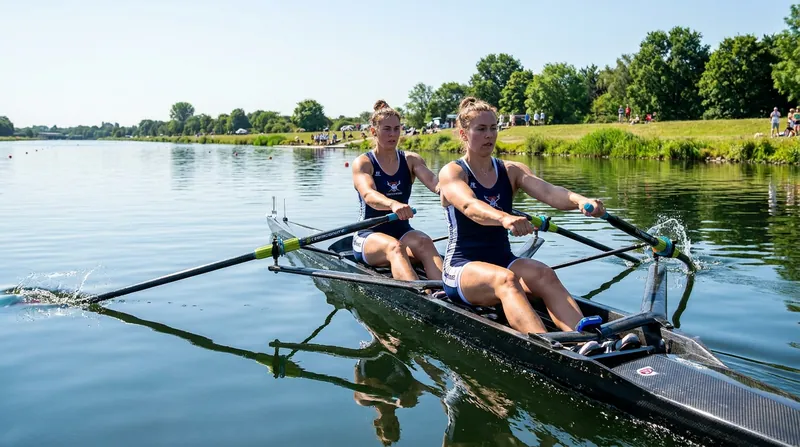
The Women's Quadruple Sculls Championship Picture: Germany, USA, and Great Britain Converge on Amsterdam
3 sources
Standings
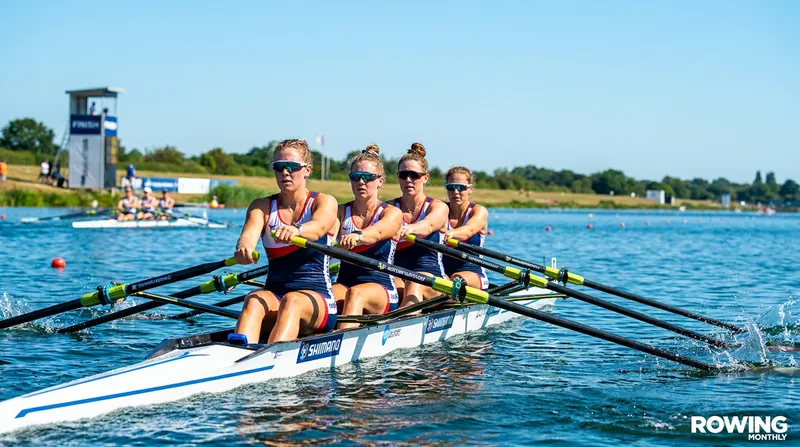
The Women's Quadruple Sculls Championship Picture: Great Britain's Super-Quad Targets Amsterdam Gold
5 sources
Comments
Every angle. Every day.
Get Sports stories with full source coverage and perspective breakdowns, free every day.