
Rowing Injury Report: Austin Reinehr Sidelined as Australian Sweep Squad Navigates Pre-Worlds Reshuffle
A rib injury has ruled Australian rower Austin Reinehr out of the Men's Eight for World Cup III, prompting a cascade of lineup changes as emerging talent steps up ahead of the Amsterdam World Championships.
By Xia Wu

Share this story
The final international racing block before the 2026 World Rowing Championships in Amsterdam is testing the physical resilience and depth of elite national squads. As crews converge on Rotsee Lake in Lucerne for World Rowing Cup III, a wave of late-season injuries is forcing coaches to reshuffle their flagship boats.
Rowing Australia confirmed this week that Austin Reinehr has been ruled out of the Men's Eight due to a rib injury. The setback removes a crucial engine-room powerhouse from the Australian sweep squad just weeks before the sport's premier event.
Men's Head Coach Chris O'Brien acknowledged the disruption but expressed confidence in the squad's underlying depth. To plug the gap left by Reinehr, Paddy Holt has been elevated into the Men's Eight, while Lachlan Doust steps into the Men's Four to complete the cascading roster adjustments.
"The Eight and Four will race with an alternative athlete into what was originally selected," O'Brien noted, emphasizing that the reshuffle provides a high-stakes proving ground for Holt and Doust against international heavyweights like Great Britain and the Netherlands.
Reinehr's situation highlights a persistent occupational hazard in elite sculling and sweep rowing: the rib stress injury. Alongside lower back pain, rib injuries are among the most common and debilitating issues faced by rowers, frequently peaking during the high-volume training phases of the northern hemisphere summer.[1][3]
The biomechanics of the rowing stroke place immense, repetitive load on the thoracic cage. During the catch and initial drive phase, the combination of spinal flexion, rotation, and explosive leg drive transfers massive force through the latissimus dorsi and serratus anterior muscles, which anchor directly to the ribs.[2]
When training volume exceeds the bone's ability to remodel and recover, micro-damage accumulates. If not managed with strict load reduction, this micro-damage can progress into a full stress fracture, an injury that typically requires four to eight weeks of absolute rest from on-water rowing.[1][2]
Sports physiotherapists emphasize that rowers cannot simply "push through" rib pain. Early intervention, including cross-training on stationary bikes and targeted core stabilization that avoids heavy thoracic loading, is critical to preserving an athlete's season.[2]
The unpredictability of these overuse injuries is precisely why national programs invest heavily in traveling reserves. Across the Tasman Sea, Rowing New Zealand recently named its World Championship squad with a robust tier of backup athletes, explicitly citing the reality that illness or injury can reshape lineups at a moment's notice.
Beyond overuse injuries, the sport's governing body is also tightening its protocols for acute trauma. For the 2026 season, World Rowing introduced a new bye-law mandating an immediate 15-minute Head Injury Assessment if a doctor suspects a rower has suffered a concussion, ensuring that athletes are not rushed back into the boat following a collision or rigging accident.
For the Australian sweep squad, the immediate focus remains on integrating Holt and Doust into the rhythm of their respective crews. Lucerne represents the final opportunity for these reshuffled boats to measure their base speed against international competition before returning to the National Training Centre in Penrith for their final World Championship preparation.
While Reinehr's absence is a blow to the original selection, the forced changes underscore the reality of modern elite rowing: medals are won not just by the fastest eight athletes, but by the resilience and adaptability of the entire squad.
The essentials
- Australian rower Austin Reinehr has been ruled out of the Men's Eight for World Cup III due to a rib injury.
- Paddy Holt will replace Reinehr in the Eight, while Lachlan Doust steps into the Men's Four.
- Rib stress fractures and lower back pain remain the most common overuse injuries in elite rowing.
- World Rowing has introduced a new 15-minute Head Injury Assessment protocol for the 2026 season.
- The reshuffle provides a crucial test of Australia's squad depth ahead of the Amsterdam World Championships.
Timeline
Early 2026
National federations finalize their primary sweep and sculling squads for the international racing season.
June 2026
Rowing Australia confirms Austin Reinehr will miss World Cup III due to a rib injury.
June 26-28, 2026
Paddy Holt and Lachlan Doust step into the reshuffled Australian Eight and Four at the Lucerne World Cup.
August 24-30, 2026
The 2026 World Rowing Championships take place in Amsterdam, serving as the ultimate test for the finalized rosters.
- National Team Management
- Focuses on maintaining boat speed through squad depth and minimizing disruption when key athletes are sidelined.
- Sports Medicine Professionals
- Emphasizes the biomechanical causes of rib and back injuries, advocating for strict load management and proper rehabilitation.
- Governing Bodies
- Prioritizes athlete safety through updated racing rules and mandatory medical assessment protocols.
Perspectives this story doesn't cover
- Injured athletes currently undergoing rehabilitation
Sources
Source coverage
3 outlets
3 viewpoints surfaced



- [1]World RowingSports Medicine Professionals
Doctors discuss rowing injury issues
Read on World Rowing → - [2]Star Physio WASports Medicine Professionals
Physiotherapy Support at the Australian Rowing Championships 2026
Read on Star Physio WA → - [3]ResearchGateSports Medicine Professionals
Epidemiology of injuries per body site in rowers
Read on ResearchGate →
More in Sports
See all →Injury
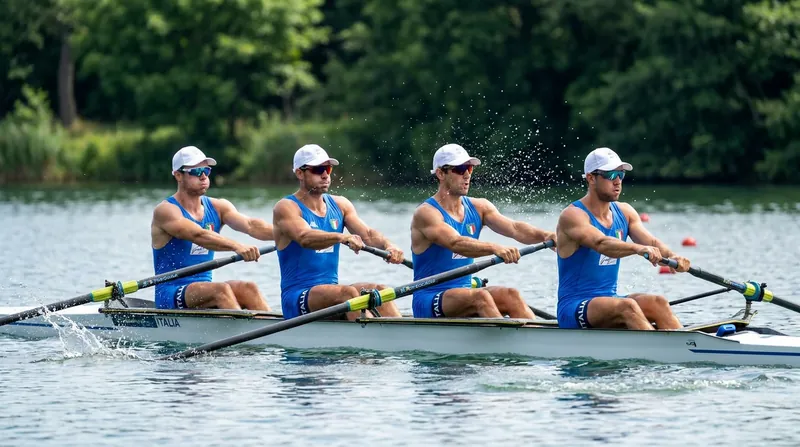
World Rowing Implements New Concussion Protocols as Back Injuries Challenge Elite Scullers
1 sources
Standings
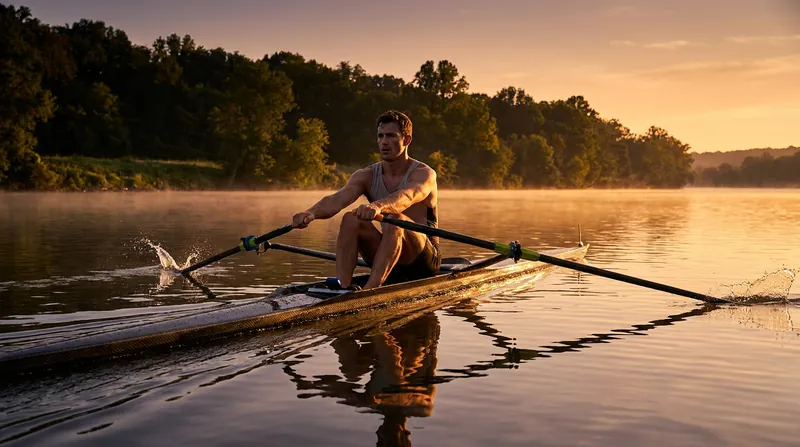
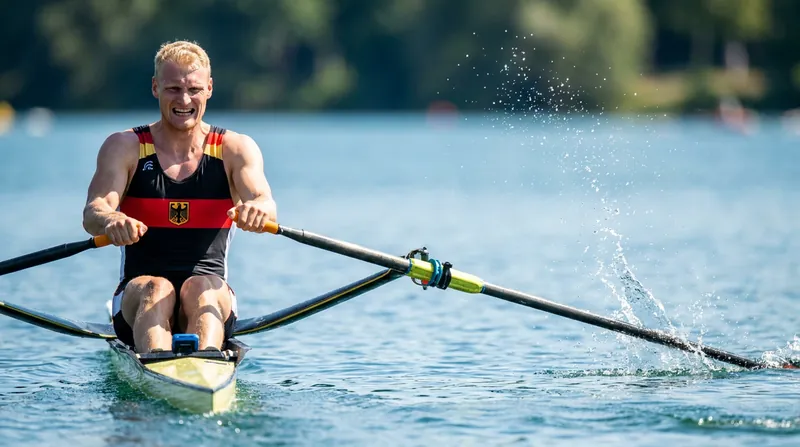
Zeidler and Henry Set the Pace: The Single Sculls Championship Picture Ahead of Amsterdam
5 sources
Standings
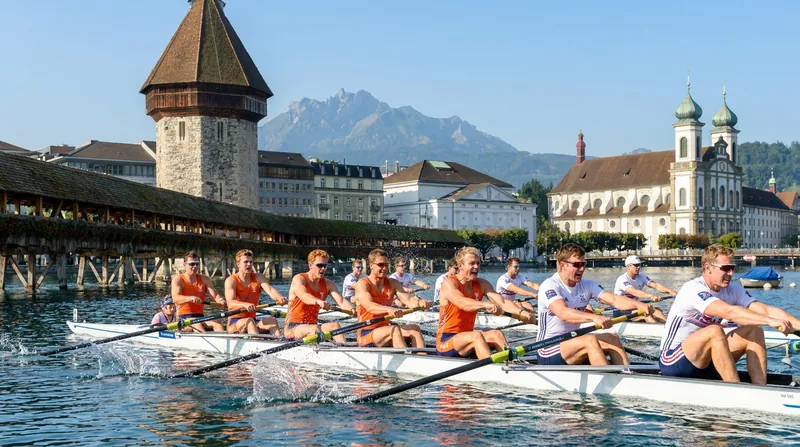
The Gap Closes: Great Britain and the Netherlands Set for Epic Men's Eight Showdown at Amsterdam World Championships
3 sources
Power ranking
The Post-Amsterdam Rowing Power Rankings: Who Rules the Water After the 2026 World Championships
5 sources
Comments
Every angle. Every day.
Get Sports stories with full source coverage and perspective breakdowns, free every day.