
Mecca Pact Envoys Open Emergency Talks in Tehran to Avert Regional Escalation
High-level diplomats from the newly formed Mecca defense alliance arrived in Iran on Monday for unprecedented crisis negotiations. The summit marks the Sunni military bloc's first direct engagement with Tehran as regional tensions threaten to ignite a broader conflict.
By Javier Cruz

Share this story
Envoys representing the newly ratified Mecca defense pact arrived in Tehran on October 26, 2026, initiating emergency negotiations with Iranian leadership. The high-stakes diplomatic mission aims to establish a framework for de-escalation as the Middle East faces the immediate threat of a multi-front regional war.[1][2]
The delegation's arrival marks the first direct, high-level engagement between Tehran and the unified Sunni military alliance since the pact's formation. Saudi, Pakistani, and Turkish officials are coordinating a joint diplomatic front to address the rapidly deteriorating security architecture across the Persian Gulf.[2][4]
Iranian state media confirmed the arrival of the allied diplomats, broadcasting footage of the delegation entering the foreign ministry complex. The initial sessions focused on establishing baseline security guarantees, with both sides agreeing to continue the dialogue following what official channels termed a constructive first meeting.[3]
The urgency of the Tehran summit follows a critical breakdown in bilateral negotiations earlier this month. The current crisis accelerated after Pakistan's military chief concluded separate talks in the Iranian capital, during which Tehran formally refused demands to export its stockpiled nuclear material.[1][4]
Shifting Security Architecture
The Mecca Pact, recently submitted to the Turkish parliament and ratified by Riyadh and Islamabad, fundamentally alters the balance of power in the region. By formalizing mutual defense commitments among three major Sunni military powers, the alliance presents a unified deterrent that Iran has not previously faced.[4]
European analysts describe the current diplomatic maneuver as a critical test of the new alliance's operational cohesion. Euronews reports that the pact's transition from a theoretical defense treaty to an active diplomatic instrument in Tehran demonstrates a significant shift in how Middle Eastern security is managed.[1]
"The Mecca defence alliance officials are holding their first high-level talks with Iran under immense international pressure," notes The Media Line. The publication emphasizes that the delegation's mandate extends beyond immediate de-escalation, seeking to establish permanent crisis communication channels between the bloc and the Iranian military establishment.[2]
The negotiations are taking place against a backdrop of heightened military readiness on all sides. Regional defense ministries have reported increased naval deployments in the Strait of Hormuz throughout late October 2026, alongside the repositioning of air defense assets across the Arabian Peninsula.[1][4]
The Nuclear Material Dispute
A central friction point driving the emergency summit is Iran's expanding nuclear infrastructure and its recent refusal to transfer enriched material abroad. The Mecca Pact nations view the retention of these stockpiles as an unacceptable alteration of the regional strategic balance.[4]
During the previous diplomatic chapter, Pakistani military leadership attempted to broker a bilateral compromise regarding the nuclear material. The failure of those talks prompted the Mecca Pact to activate its joint diplomatic protocols, dispatching the current multilateral delegation to present a unified front.[1][2]
The Jerusalem Post characterizes the Tehran summit as the first major operational test for the Mecca defense pact. The analysis suggests that the alliance must balance its deterrence posture with the immediate necessity of preventing a miscalculation that could trigger a conventional conflict.[4]
Iranian negotiators have historically preferred to engage regional rivals bilaterally, leveraging distinct economic and security incentives with individual capitals. The presence of a unified Mecca Pact delegation forces Tehran to address the bloc's collective security demands simultaneously, complicating its traditional diplomatic strategy.[1][3]
Economic and Global Stakes
The economic implications of a potential military confrontation are driving intense international scrutiny of the Tehran talks. Global energy markets remain highly sensitive to disruptions in the Persian Gulf, where roughly 20 percent of the world's daily oil consumption transits through maritime chokepoints.[1][4]
Western capitals, while not directly participating in the negotiations, are closely monitoring the summit's progress. Diplomatic sources indicate that international powers have quietly encouraged the Mecca Pact's diplomatic initiative, viewing regional mediation as preferable to external military intervention.[1][2]
The Hindu reports that the initial round of talks concluded without a formal joint statement, though Iranian state media emphasized the mutual agreement to maintain the dialogue. The decision to extend the negotiations suggests that neither side is prepared to abandon the diplomatic track despite the severe underlying disagreements.[3]
"Iran and the Mecca pact countries agree to continue talks after their first meeting," the state-aligned broadcast announced on Monday evening. The phrasing indicates a deliberate effort by Tehran to project diplomatic normalcy to its domestic audience while managing the unprecedented pressure from the unified Sunni bloc.[3]
Diplomatic Checkpoints
The structure of the ongoing negotiations remains tightly guarded, with working groups reportedly divided into conventional security and nuclear proliferation tracks. Envoys are expected to remain in Tehran through the middle of the week to draft a preliminary de-escalation framework.[2][4]
For the Mecca Pact members, securing verifiable commitments regarding maritime security and missile deployments is a primary objective. The delegation is demanding concrete mechanisms to prevent uncoordinated military encounters in contested airspace and international waters.[4]
Iranian officials, conversely, are seeking guarantees that the Mecca Pact will not facilitate external military operations against Iranian territory. Tehran has consistently warned that it views the integration of foreign military infrastructure into regional defense networks as a direct national security threat.[1]
As the envoys prepare for the next round of closed-door sessions, the immediate goal remains freezing the current escalation cycle. The ultimate success of the Tehran summit will depend on whether this new multilateral architecture can translate temporary diplomatic pauses into durable regional stability.[2][4]
Key points
- Diplomats from the newly ratified Mecca defense pact arrived in Tehran on October 26 for emergency talks aimed at averting a regional war.
- The summit marks the first direct, high-level engagement between Iran and the unified military alliance of Saudi Arabia, Pakistan, and Turkey.
- The multilateral negotiations follow the recent collapse of bilateral talks after Iran refused to export its stockpiled nuclear material.
- Iranian state media confirmed that both sides agreed to continue the dialogue following a constructive initial meeting.
Unanswered questions
- Whether the Mecca Pact delegation has the authority to negotiate binding treaties or is limited to establishing crisis communication channels.
- How Iran's Islamic Revolutionary Guard Corps (IRGC) is responding internally to the civilian government's engagement with the unified Sunni bloc.
- The specific concessions Tehran is demanding in exchange for freezing its current nuclear material stockpiling.
How we got here
Early October 2026
Pakistan's military chief holds bilateral talks in Tehran regarding nuclear material exports.
Mid-October 2026
Iran formally refuses demands to export its stockpiled nuclear material, prompting a breakdown in bilateral negotiations.
October 24, 2026
Turkey submits the Mecca Defense Pact to its parliament, joining Saudi Arabia and Pakistan in formalizing the alliance.
October 26, 2026
Mecca Pact envoys arrive in Tehran for the alliance's first direct, high-level crisis talks with Iranian leadership.
- Mecca Pact Alliance
- Views the unified diplomatic front as necessary to deter Iranian military expansion and halt its stockpiling of nuclear material.
- Iranian State Establishment
- Seeks to project diplomatic normalcy while resisting multilateral pressure that threatens its regional autonomy and nuclear infrastructure.
- International Security Observers
- Emphasizes the global economic stakes of the summit, viewing the talks as a critical off-ramp to prevent a multi-front war.
Perspectives this story doesn't cover
- Gulf energy importers
- Civilian populations in border regions
Sources
Source coverage
4 outlets
3 viewpoints surfaced




- [1]EuronewsInternational Security Observers
From the Mecca defence pact to Tehran talks: Is the Middle East's security landscape shifting?
Read on Euronews → - [2]The Media LineMecca Pact Alliance
Mecca Defence Alliance Officials To Hold First High-Level Talks With Iran
Read on The Media Line → - [3]The HinduIranian State Establishment
Iran, Mecca pact countries agree to continue talks after 'first' meeting: state media
Read on The Hindu → - [4]The Jerusalem PostMecca Pact Alliance
Mecca defense pact faces test as Saudi delegation arrives for high-stakes Iran talks - analysis
Read on The Jerusalem Post →
More in News & Politics
See all →Maritime Security
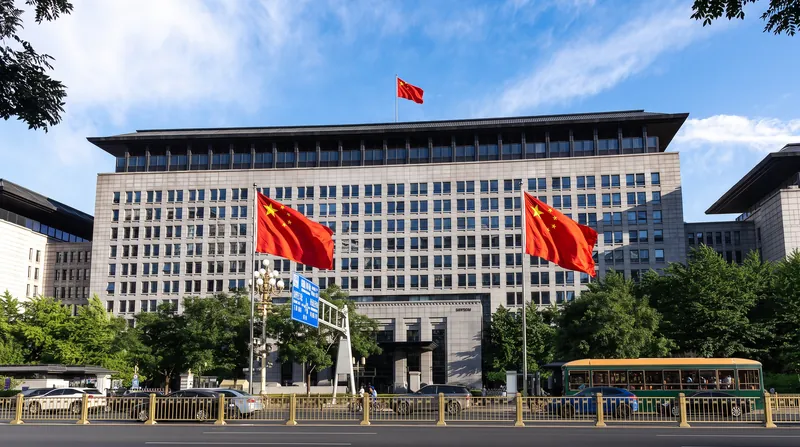
Taiwan Accuses China of Using Maritime Militia for Western Pacific Battlefield Preparation
6 sources
Defense Policy
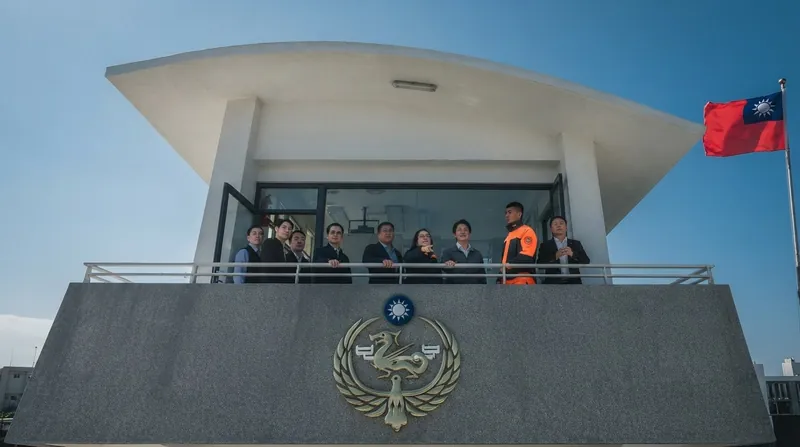
Pentagon Designates Confucius Institutes a National Security Threat, Orders Campus Dismantling
8 sources
US-Cuba Relations
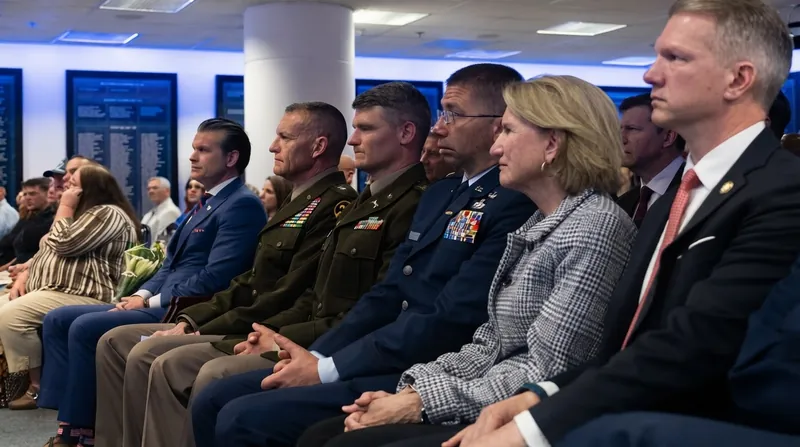
Rubio Solicits Direct Cuban Cooperation With CIA Following Maduro Government Collapse
5 sources
Russia-Iran Relations
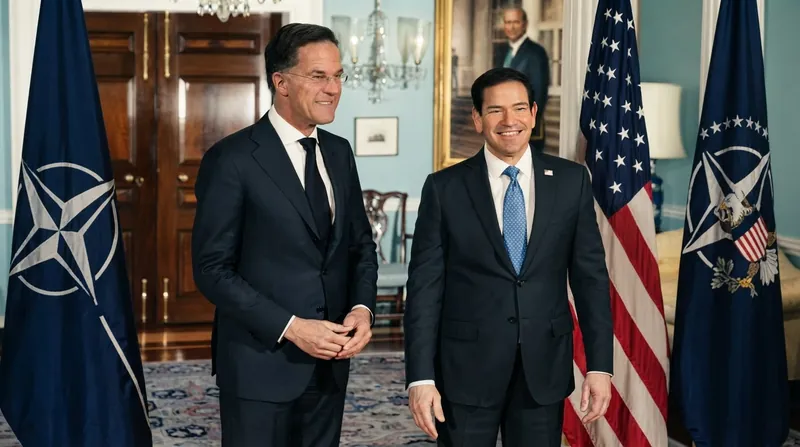
Iranian President Pezeshkian to Meet Putin in Moscow Amid Deepening Strategic Alliance
7 sources
Comments
Every angle. Every day.
Get News & Politics stories with full source coverage and perspective breakdowns, free every day.